
Search Suggestions
- Gold Loan
- Money Transfer
- Mutual Funds


Secured vs Unsecured Business Loans: All You Need to Know
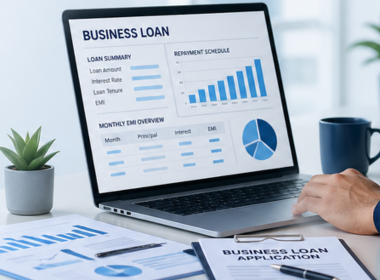
Having timely access to sufficient funds is crucial for every business, regardless of its size or type. This ensures smooth functioning of day-to-day operations, driving better overall growth. While there are several different options available these days to arrange funds, obtaining a business loan is the best choice. But the main question arises - how to pick the right type of business loan?
Table of Content
- Secured vs. Unsecured Business Loans Difference
- Secured Loans: An Overview
- Unsecured Loans: An Overview
- Factors Lenders Take into Consideration for Unsecured Business Loans
- Secured Business Loans vs Unsecured Loans: Pros to Look For
- Secured Loans vs. Unsecured Business Loans: Cons that You Should Know
You must have come across terms like ‘secured loans’ and ‘unsecured loans’ online when researching business loans. Well, secured loans and unsecured loans are the two most basic types of loans that banks/NBFCs offer to business owners. Being familiar with them is quintessential for a business owner or for those planning to start a business.
In simple words, a secured loan is the one that lays the burden of risk on the borrower; an unsecured business loan is the one that lays the risk more on the lender than the borrower. Depending on several factors like the type of lender, the assets that you own, credit history, plan of the funds, etc., you become eligible for secured or unsecured loans.
Secured vs. Unsecured Business Loans Difference
Both secured and unsecured business loans come with their own set of unique features and are suitable for different business requirements. Apart from this, the application procedure and eligibility criteria can also vary slightly. It is essential for business owners to have a clear understanding of these loan types and their differences. This will help them understand which loan is a better choice depending on their current financial situation.
Suggested Read: 10 Mistakes to Avoid When Applying for SME Loan
Secured Loans: An Overview
The term ‘collateral’ is very likely to pop up while discussing the terms of secured loans with banks or NBFCs. Collateral is an object/property/ or anything else that you pledge as ''security'' for loan repayment. If in case you are unable to repay the loan, the bank takes the collateral. Secured loans are considered riskier because of this reason.
In the case of secured business loans, business-related equipment or devices serve as collateral. If your repayments are defaulted upon and you are unable to pay back the borrowed loan amount, the lender will take possession of the collateral. Thereafter, they might resell the collateral to balance the non-paid amount. Hence, getting secured business loans will always have the need for collateral. Do keep in mind that a considerable time frame is afforded for the repayment; however, if you continue missing on the payments, the financial institution can take action against you. In this case, seizing your collateral will be the first step.
Apart from secured business loans, other examples of secured loans include: –
- Mortgages – property loans; the property itself acts as collateral.
- Construction loans – loans that allow you to build a property on your land. Here too, the property acts as collateral.
- Auto loans – loans that let you buy a vehicle; secured the vehicle itself.
- Gold loans – here, you can get a loan against your gold jewellery, gold coin, etc. The gold ornament/coin is the collateral.
Common Types of Collateral Used for Secured Business Loans
Real Estate: Any kind of real estate property is one of the most preferred types of collateral due to its high value. Nowadays, financial institutions accept both commercial and residential properties for sanctioning secured business loans.
Business Equipment and Machinery: Heavy manufacturing equipment, specialised tools, and commercial vehicles are also among the most valuable types of collateral. Businesses operating in industries like manufacturing, construction or transportation can use their equipment to get quick access to funds.
Inventory: Businesses can also use their inventory as security for obtaining a loan. This inventory can include anything ranging from raw materials to finished goods. However, pledging stock items decreases the borrowing limit, as they are slightly more difficult to liquidate and their value can also vary significantly.
Accounts Receivable: If a business requires money for expansion or maintaining the cash flow, outstanding invoices and bills owed by clients can be pledged to obtain a loan. These invoices are often used as collateral to secure short-term working capital. In such cases, the lending institution sanctions the loan while taking the total amount of bills and expected payment cycles into consideration.
Investments and Financial Assets: Every business holds a few financial assets, be it stocks, bonds, or business savings accounts. Known for their high liquidity, all these assets are easily accepted by lending institutions as collateral.
Unsecured Loans: An Overview
As evident by the name, an unsecured loan is a loan without collateral where the financial institution lends you the amount based on creditworthiness. Banks and NBFCs in India offer unsecured loans for education, property improvement, and plenty of other reasons. Even personal loans and credit card purchases come under unsecured loans. Getting an unsecured business loan is a little difficult as the loan amounts are usually pretty huge. However, if your requirement is low, you may get an unsecured loan for business. Having said that, this solely depends on the bank or the NBFC and their terms and policies. Approval of loans without collateral can be time-consuming as your creditworthiness is the only factor.
If you have a strong credit history and a reliable cash flow, approvals are easily given by the financial institution. However, with bad credit history, it can take an extended period of time. If you want smaller unsecured loans for small businesses or new businesses, make sure that your capital requirement is well-defined and that your credit history is commendable.
Factors Lenders Take into Consideration for Unsecured Business Loans
Cash Flow Consistency
Having a steady cash flow with consistent inflows helps the lender determine your financial stability. It shows that your business is doing well and you can repay the loan amount within the pre-determined time period.
Existing Debt Obligations
The debt-to-income ratio is another important factor that lenders take into consideration. To determine this, they check your existing debt obligations. If a business is using a large part of its income in repaying the debt, it indicates a higher risk for the lender, often leading to loan rejection. It is recommended to keep the debt-to-income ratio below 50%.
Transaction History
The transaction history of your business gives the lending institution an idea about its credit health and has a direct impact on your loan approval. To get a timely approval on an unsecured business loan, it is important to keep the transaction history clear and well-organised.
Suggested Read: Types of Loans: 8 Different Types You Should Know
Secured Business Loans vs Unsecured Loans: Pros to Look For
The major benefits of getting secured loans vs unsecured business loans include: –
Secured Loans | Unsecured Loans |
Lower interest rates | No need for collaterals |
Higher limits of borrowing amount | No risk of anything that you love |
Longer repayment tenures | Smaller unsecured working capital loans are easier to borrow |
Secured Loans vs. Unsecured Business Loans: Cons that You Should Know
Secured Loans | Unsecured Loans |
You need to provide the collateral e.g. a house, vehicle, business assets, gold, etc. | With unsecured loans, your personal liability increases. |
If you don’t repay the borrowed loan amount, you will lose the collateral. | You may not need to pledge collateral but unsecured business loans interest rates are comparatively higher. |
Even though longer repayment tenure makes repaying the loan easier, it also means that you will be in debt for a longer time. | There are limitations on the loan amounts you can get. Also, the repayment tenure is short. |
Both secured loans and loans without collateral come with benefits and disadvantages. However, the cons can be sidelined. Depending on your situation, you can borrow a loan amount that is feasible for you and select a repayment tenure as per your convenience. At the end of the day, it is prudent to plan out the financial needs of your business before applying for a loan.
Muthoot Finance is one of India’s No. 1 Most Trusted Financial Services Brand*. You can avail services like gold loans, forex services, insurance, vehicle loans, and much more with us. Visit your nearest Muthoot Finance branch to understand how our wide array of financial services can be of benefit to you.
CATEGORIES
OUR SERVICES
-

Credit Score
-

Gold Loan
-

Personal Loan
-

Cibil Score
-

Vehicle Loan
-

Small Business Loan
-

Money Transfer
-

Insurance
-

Mutual Funds
-

SME Loan
-
Corporate Loan
-

NCD
-

PAN Card
-
NPS
-

Custom Offers
-
Digital & Cashless
-

Milligram Rewards
-

Bank Mapping
-

Housing Finance
-

#Big Business Loan
-

#Gold Loan Mela
-
#Kholiye Khushiyon Ki Tijori
-

#Gold Loan At Home
-
#Sunherisoch
RECENT POSTS
How to Maximise Personal Loan Amount on Your Current Salary?
Know More
Why Salaried Individuals Are More Eligible for Instant Personal Loans?
Know More
What is A Good CIBIL Range Value in India?
Know More
Can You Get a Personal Loan Without a Salary Slip?
Know More
डिफॉल्ट के बाद अपना CIBIL स्कोर कैसे सुधारें: 7 बेहतरीन तरीके
Know More
सोने में निवेश कैसे करें: अपनी संपत्ति को सुरक्षित रखने के स्मार्ट तरीके
Know More
गोल्ड लोन नीलामी की प्रक्रिया क्या है?
Know More
गोल्ड लोन EMI में डिफॉल्ट हो गया है? अभी ये 5 काम करें!
Know More
कम CIBIL स्कोर पर इंस्टेंट पर्सनल लोन: अप्रूवल कैसे प्राप्त करें
Know More
एमसीएलआर बनाम ईबीएलआर - होम लोन पर कौन अधिक बचत करता है?
Know MoreFIN SHORTS

Can I renew or extend my gold loan after the tenure ends?
Know More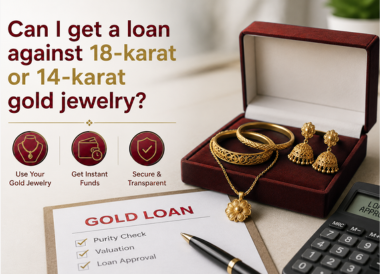
Can I get a loan against 18-karat or 14-karat gold jewelry?
Know More
Will Gold Become the Best Investment by 2030?
Know More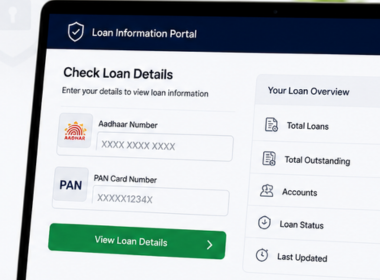
How to Check Loan Details Using Aadhaar & PAN Card?
Know More
How to Calculate Gold Loan Interest Easily?
Know More
Non-Hallmarked Gold in 2026: Is It Safe to Buy?
Know More
Is gold a safe investment during a market crash?
Know More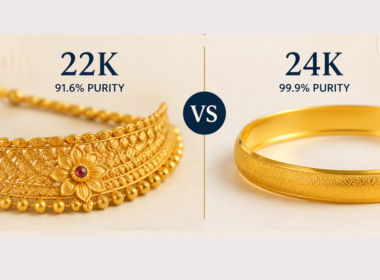
What is the difference between the 22K and 24K gold price today?
Know More
How often does the gold price change in a day?
Know More
What affects gold prices in India daily?
Know More
Is gold a good investment at current prices?
Know More
Should I buy gold today or wait for a price drop?
Know MoreRelated Posts



- South +91 99469 01212
- North 1800 313 1212