
Search Suggestions
- Gold Loan
- Money Transfer
- Mutual Funds


10 Tips to Improve Your 300 Credit Score?
A credit score or CIBIL (Credit Information Bureau (India) Limited) score is a 3-digit number ranging between 300 and 900, representing the creditworthiness of an individual. The score is given based on an individual’s repayment behavior, the number of ongoing loans, and other factors.
A low score of 300 can significantly limit your access to personal loans and other loans, often resulting in loan rejections or unfavorable interest rates. Conversely, a high credit score unlocks the door to attractive loan options with competitive interest rates and potentially higher personal loan amount eligibility.
But the good thing is improving a credit score is absolutely possible, that too by following some simple tips. While the changes in your credit score might not appear overnight, you can start working towards improving your score today.
What is Considered a Good Credit Score?
Since a credit score ranges between 300 and 900, the closer a score is to 900, the better the credit score is considered. Here is the breakdown of credit score range:
- 300-500: Poor
- 550-650: Average
- 650-750: Good
- 750-900: Excellent
A credit score ranging between 300 and 500 needs immediate attention. This is considered a poor credit score and can significantly limit your access to credit such as personal loan at favourable interest rates.
10 Tips to Improve Your Credit Score
1.Check Your Credit Report For Errors
Your credit report is a detailed record of your borrowing history. Sometimes CIBIL can make mistakes while updating the report, which can bring down your credit score. So to ensure there are no errors, review your credit report regularly for any errors or inconsistencies. If you find any mistakes or errors, be sure to correct them by submitting a credit dispute form online.
2.Increase Your Credit Limit
Increasing your credit limit does not mean that you increase your expenditure as well. The main purpose of increasing your credit limit is to improve your credit score. If you have more credit limits available and if you keep your credit utilisation low, it will have a positive impact on your credit or CIBIL score.
3.Opt For A Longer Tenure On Loans
A longer loan term will result in lower monthly payments, which can make it easier to stay on top of your bills. By not defaulting, delaying, or skipping your EMIs, you improve your credit score.
4.Ensure Timely Payment Of Bills
Paying your credit bills on time is a good credit behaviour that can impact your credit score positively. So be sure to pay not just the minimum dues but the entire bill amount. To ensure that you don’t miss payments, set automatic payments or reminders.
5.Avoid Hard Enquiries
Every time you put out an enquiry about a new loan, a hard inquiry is placed on your credit report. Hard inquiries occur when lenders check your credit history as part of the application process. These inquiries can cause a slight, temporary dip in your credit score. To minimize the impact of hard inquiries, ensure that you only make loan applications when you're confident about your eligibility and have thoroughly researched your options.
6.Maintain A Healthy Credit Mix
Unsecured loans, such as personal loans or education loans, are considered the foremost reason for lower credit scores. As these loans are sanctioned without any collateral, they are riskier than other secured loans, such as home loans. To maintain a decent credit score, it’s always advisable to maintain a healthy mix of different types of loans to balance the risk factors.
7.Avail At Least One Credit Product
For those who have never taken out a loan or credit card, you won’t have a credit history, and as a result, your credit score will be low. To establish a credit history and improve your credit score, consider availing of at least one credit product, such as a credit card or a small loan. However, since you have a low credit score, you could get high interest on personal loans and other loans.
8.Do Not Close Old Credit Cards
Even if you don't use an old credit card anymore, it's generally best to keep it open. The longer your credit history, the better it is for your credit score, increasing your chances of getting approval on loan applications.
9.Monitor your Credit Utilization Ratio
Your credit utilization ratio is the amount of credit you're using compared to your total credit limit. A lower credit utilization ratio is better for your credit score. Aim to keep your credit utilization ratio below 30%, to show responsible credit management.
10.Watch out for Co-Signed and Joint-Accounts
It is important to keep track of loans you have co-signed because if the account holder defaults on loan payment, you will be held responsible for it too. This could negatively affect your credit score, enabling you to take a loan in future when you require it.
Suggested Read: 9 Best Practices To Improve Your Credit Score
Improving your credit score takes time and effort, but following these ten tips will put you on the right track. By monitoring your credit report, managing credit utilization, and demonstrating responsible credit behaviour, you can unlock better personal loan interest rates, opportunities, and a brighter financial future.
To get an instant personal loan, consider Muthoot Finance. We offer a hassle-free personal loan documentation process with total transparency, competitive interest rates, and flexible repayment options.
CATEGORIES
OUR SERVICES
-

Credit Score
-

Gold Loan
-

Personal Loan
-

Cibil Score
-

Vehicle Loan
-

Small Business Loan
-

Money Transfer
-

Insurance
-

Mutual Funds
-

SME Loan
-
Corporate Loan
-

NCD
-

PAN Card
-
NPS
-

Custom Offers
-
Digital & Cashless
-

Milligram Rewards
-

Bank Mapping
-

Housing Finance
-

#Big Business Loan
-

#Gold Loan Mela
-
#Kholiye Khushiyon Ki Tijori
-

#Gold Loan At Home
-
#Sunherisoch
RECENT POSTS
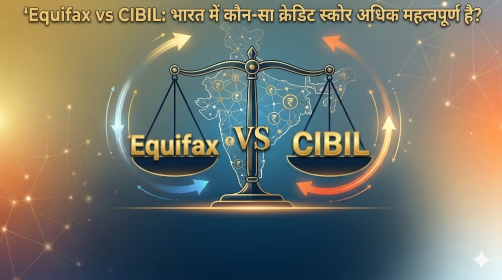
Equifax vs CIBIL: भारत में कौन-सा क्रेडिट स्कोर अधिक महत्वपूर्ण है?
Know More
मनी एक्सचेंज के लिए कौन-कौन से दस्तावेज़ आवश्यक हैं?
Know More
डिजिटल गोल्ड vs फिजिकल गोल्ड: निवेश के लिए कौन-सा विकल्प चुनें?
Know More
प्रतिज्ञा, हाइपोथिकेशन और मॉर्गेज में क्या अंतर है?
Know More
टॉप-अप लोन या फ्रेश लोन? आपको क्या चुनना चाहिए?
Know More
How to Change the EMI Date of Your Personal Loan Easily
Know More
How Personal Finance Helps You Achieve Your Financial Goals
Know More
Should You Take a Gold Loan When Gold Prices Are High?
Know More
NBFC vs Bank Loans: Which Offers Quicker Approval?
Know More
Why Gold Loan Demand Increases During an Economic Crisis
Know MoreFIN SHORTS

Is gold a safe investment during a market crash?
Know More
What is the difference between the 22K and 24K gold price today?
Know More
How often does the gold price change in a day?
Know More
What affects gold prices in India daily?
Know More
Is gold a good investment at current prices?
Know More
Should I buy gold today or wait for a price drop?
Know More
Track My Loan: Simple Steps to Check Personal Loan Status
Know More
No Salary Slip? Still Get Instant Personal Loan Online – Here’s How
Know More
Step-by-Step Guide to Gold Loan Calculation
Know More
Gold Loan Renewal Process Explained – Step-by-Step Guide
Know More
Missed Your Gold Loan EMI? Here's What Happens Next
Know More
How to Apply for Gold Loan in 2026 – Step-by-Step Guide
Know MoreRelated Posts




- South +91 99469 01212
- North 1800 313 1212