
Search Suggestions
- Gold Loan
- Money Transfer
- Mutual Funds


What Is Capital Gains Tax in India? Meaning, Types & Tax Rates
When you sell an asset for a price higher than what you originally paid, the profit earned is called a capital gain. This gain is treated as income under the Income Tax Act in India and is taxed accordingly, a levy commonly known as capital gains tax.
Table of Content
- What is Capital Gain Tax?
- Types of Capital Gain Tax
- Exemption of Capital Gain Tax in India
- How to Save Capital Gains Tax Legally?
In India, capital gains tax plays a major role in investment planning because the tax rate depends on how long you hold an asset and what type of asset you sell. Understanding gains tax helps you make informed decisions, optimise your tax liabilities, and ultimately maximise your investment returns.
To make things simple, here is everything you need to know about capital gains tax in India.
What is Capital Gain Tax?
Capital Gains Tax is the tax charged on the profit earned from the sale or transfer of a capital asset.
A capital asset includes:
- Land and building
- Residential property
- Shares and securities
- Mutual funds
- Gold and jewellery
- Bonds and debentures
- Virtual digital assets (like cryptocurrency)
Types of Capital Gain Tax
There are two types of capital gain taxation:
- Short-Term Capital Gains (STCG): If you sell an asset within a short holding period, the profit is treated as short-term capital gain. The holding period is typically less than 24 months for real estate and less than 12 months for stocks and securities.
- Long-Term Capital Gains (LTCG): If you hold an asset for a longer period before selling it, the profit is treated as long-term capital gain. For most assets, the holding period is more than 24 months, but for stocks and securities, it is more than 12 months.
Capital Gains Tax Rates in India (Latest Updated Rates)
In Budget 2024, both long-term and short-term capital gain tax rates saw some updates that include:
Type of Capital Gains | Tax Rate |
Short-Term Capital Gains | Most assets are taxed as per the individual’s applicable income tax slab. However, in the case of listed equity shares and equity mutual funds, a flat 20% tax rate applies, irrespective of the taxpayer’s income slab. |
Long-Term Capital Gains | Taxed at a flat rate of 12.5% without indexation for all eligible assets. |
Exemption of Capital Gain Tax in India
Here are some sections under which you can get an exception on capital gain tax in India:
Section 54: If you sell a residential property and invest the capital gain in purchasing or constructing another residential property, you can claim an exemption.
Conditions:
- The property must be purchased either a year before the sale or 2 years after the sale of the property.
- The gains can be used for the construction of a property, but the construction must be completed within 3 years from the date of sale.
- You can only exclude up to ₹10 crore.
- The exemption can be taken back if the new property is sold within 3 years of purchase.
Section 54F: If you sell any long-term capital asset (other than a residential house) and invest in a residential house, an exemption may be available.
Conditions:
- You should not possess more than one residence at the time of purchasing the new one.
- You must invest the entire sale consideration and not only capital gain to buy a new residential house property.
Section 54EC: You can invest long-term capital gains (from property) in specified government bonds (like NHAI/REC bonds) within 6 months to claim exemption.
Conditions:
- The investment must be made within 6 months of the date of transfer of the asset.
- The bonds have a 5-year lock-in period. If the bonds are sold, transferred, or pledged before maturity, the exemption claimed earlier will be withdrawn.
Section 54B: When agricultural land is sold, and the proceeds are reinvested in new agricultural land, you get a capital gain tax exemption under section 54B.
Conditions:
- You must reinvest in new agricultural land (in an urban or rural area) within 2 years from the date of transfer.
- The newly purchased agricultural land must not be sold within 3 years.
Suggested Read: What is Short-Term Capital Gains (STCG) Tax in India?
How to Save Capital Gains Tax Legally?
Here are some smart and legal ways to reduce your capital gains tax burden:
- Hold Investments for the Long Term: Long-term capital gains are usually taxed at lower rates. Planning your holding period can significantly reduce your tax liability.
- Use Indexation Benefit: For property, gold, and certain other assets, indexation adjusts the purchase cost for inflation, reducing taxable gains.
- Reinvest in Property: Use Section 54 or 54F provisions to reinvest capital gains into residential property.
- Invest in Capital Gains Bonds: Under Section 54EC, investing in specified bonds can help you save tax.
- Strategically Gift Assets: Consider gifting your assets to family members who fall in lower tax brackets to reduce legally deductible liabilities.
Suggested Read: What are LTCG & STCG? Understanding Capital Gains on Mutual Funds
In conclusion, understanding the nuances of capital gains tax is essential for smarter financial planning. Knowing how capital gains are classified, the applicable tax rates, available exemptions, and legal tax-saving options can significantly reduce your tax burden and help you maximize overall returns. However, before making large transactions, it is always wise to consult a tax expert to ensure compliance and optimize tax savings.
CATEGORIES
OUR SERVICES
-

Credit Score
-

Gold Loan
-

Personal Loan
-

Cibil Score
-

Vehicle Loan
-

Small Business Loan
-

Money Transfer
-

Insurance
-

Mutual Funds
-

SME Loan
-
Corporate Loan
-

NCD
-

PAN Card
-
NPS
-

Custom Offers
-
Digital & Cashless
-

Milligram Rewards
-

Bank Mapping
-

Housing Finance
-

#Big Business Loan
-

#Gold Loan Mela
-
#Kholiye Khushiyon Ki Tijori
-

#Gold Loan At Home
-
#Sunherisoch
RECENT POSTS

How to Maximise Personal Loan Amount on Your Current Salary?
Know More
Why Salaried Individuals Are More Eligible for Instant Personal Loans?
Know More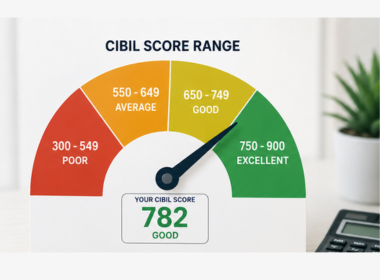
What is A Good CIBIL Range Value in India?
Know More
Can You Get a Personal Loan Without a Salary Slip?
Know More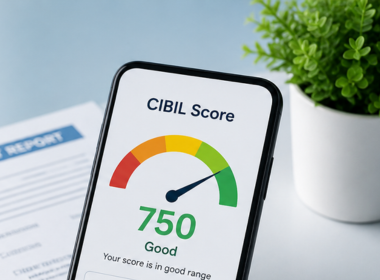
डिफॉल्ट के बाद अपना CIBIL स्कोर कैसे सुधारें: 7 बेहतरीन तरीके
Know More
सोने में निवेश कैसे करें: अपनी संपत्ति को सुरक्षित रखने के स्मार्ट तरीके
Know More
गोल्ड लोन नीलामी की प्रक्रिया क्या है?
Know More
गोल्ड लोन EMI में डिफॉल्ट हो गया है? अभी ये 5 काम करें!
Know More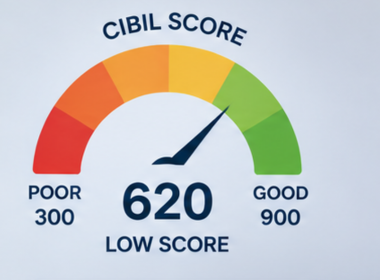
कम CIBIL स्कोर पर इंस्टेंट पर्सनल लोन: अप्रूवल कैसे प्राप्त करें
Know More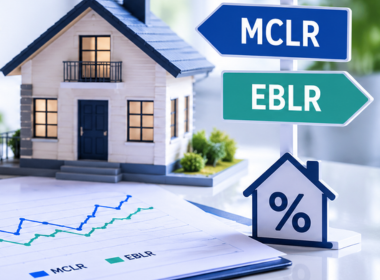
एमसीएलआर बनाम ईबीएलआर - होम लोन पर कौन अधिक बचत करता है?
Know MoreFIN SHORTS

Can I renew or extend my gold loan after the tenure ends?
Know More
Can I get a loan against 18-karat or 14-karat gold jewelry?
Know More
Will Gold Become the Best Investment by 2030?
Know More
How to Check Loan Details Using Aadhaar & PAN Card?
Know More
How to Calculate Gold Loan Interest Easily?
Know More
Non-Hallmarked Gold in 2026: Is It Safe to Buy?
Know More
Is gold a safe investment during a market crash?
Know More
What is the difference between the 22K and 24K gold price today?
Know More
How often does the gold price change in a day?
Know More
What affects gold prices in India daily?
Know More
Is gold a good investment at current prices?
Know More
Should I buy gold today or wait for a price drop?
Know MoreRelated Posts




- South +91 99469 01212
- North 1800 313 1212