
Search Suggestions
- Gold Loan
- Money Transfer
- Mutual Funds


Comparing Gold Loans: Banks vs. NBFCs - Which Should You Choose?
What is a Gold Loan?
A gold loan is a type of secured loan where borrowers pledge their gold belongings to obtain funds from financial institutions. This loan option allows individuals to leverage the value of their gold assets for immediate financial needs without having to sell them.
Table of Content
- What is a Gold Loan?
- Gold Loan: Banks vs NBFCs
- NBFCs
- Banks
- Choosing Between Banks and NBFCs for a Gold Loan
Get the Best Gold Loan Today
Key features of gold loans include:
- Quick processing: The documentation of gold loans is simpler than other loans because of which gold loans are processed faster.
- Flexible loan amounts: The weight and purity of the gold determine the value of the loan. The lenders offer up to 75-90% of the gold’s market value.
- Lower interest rates: Gold loans often come with lower interest rates because of being a secured loan. On the contrary, personal loans aren’t secured loans resulting in higher interest rates.
- Short to medium term tenure: The loan tenures generally range from a few months to a few years as per the lender and borrower agreement.
- Partial withdrawals: Applying for a gold loan means, you can make partial withdrawals against the pledged gold, which results in more flexibility, if allowed by the lender.
- Loan to value ratio: Banks won’t lend you the full value of your gold. The LTV varies depending on the bank and the gold itself.
Gold Loan: Banks vs NBFCs
A gold loan means borrowing money using your gold jewellery as collateral. Both banks and NBFCs (Non-Banking Financial Companies) offer this option, but each has its own advantages and disadvantages.
Loan-to-Value Ratio (LTV):
- NBFCs: Gold loan NBFCs offer a higher LTV, sometimes reaching up to 80% of your gold's value. This can be helpful if you need to borrow a larger sum.
- Banks: Typically have a more conservative LTV, often ranging between 60-75% of your gold's value. This means you might receive a slightly lower loan amount.
Interest Rates:
- NBFCs: When you opt for a gold loan from NBFC, interest rates can be slightly higher than banks, sometimes exceeding 12% per annum.
- Banks: Banks usually offer more competitive interest rates on gold loans, often falling within the 8-12% range.
Repayment:
- NBFCs: One of the advantages of NBFC gold loans is that it offers more flexible repayment options, including interest-only payments during the initial period.
- Banks: Generally, have standardised repayment structures, mostly involving fixed EMIs (Equal Monthly Instalments) throughout the loan term.
In Conclusion:
Although they could come with a higher interest rate, NBFCs might provide a greater LTV and faster access to funding. Banks offer lower interest rates and greater security but with stricter eligibility and potentially lower LTVs. Consider your priorities: faster access to funds and a higher LTV might favour an NBFC while prioritising lower interest rates and established security might favour a bank.
NBFCs:
Advantages of NBFCs:
The key advantages of NBFC are:
- Easier Access: When it comes to qualifying standards, NBFCs usually demand less paperwork than banks. This facilitates the process of obtaining gold loans from NBFCs, particularly for those with a short credit history.
- Faster Processing: Having a gold loan NBFC means there will be a faster loan approval and disbursal process compared to banks. This can be crucial if you need funds quickly.
- Flexible Loan Amounts: Some NBFCs may provide loans for a few thousand rupees, which is less than what banks would provide.
Suggested Read: What is an NBFC? Meaning, Types, Features, and Regulations Explained
Disadvantages of NBFCs:
- Higher Interest Rates: NBFCs may charge slightly higher interest rates on gold loans compared to banks.
- Security Concerns: It's important to choose a reputable NBFC with secure storage facilities for your gold.
Suggested Read: Customer-Centricity Redefined: Why Muthoot Finance Leads The Pack Among Nbfcs?
Banks:
Advantages of Banks:
The advantages of banks include:
- Competitive Interest Rates: If we compare NBFC vs Bank, banks generally offer lower interest rates on gold loans compared to NBFCs due to their larger size and lower operating costs.
- Safety and Security: Banks have robust security measures in place to ensure the safety of your gold jewellery.
- Transparency: Banks typically have more standardised and transparent loan terms compared to NBFCs.
Disadvantages of Banks:
- Stricter Eligibility: Banks might have stricter eligibility requirements to provide a gold loan, including minimum loan amounts and credit score checks.
- Slower Processing: Loan processing at banks can be slower compared to NBFCs due to their more stringent procedures.
Get the Best Gold Loan Today
Choosing Between Banks and NBFCs for a Gold Loan:
Which option is ideal for you will depend on your own objectives and needs.
- Choose a Bank if: You prioritise lower interest rates, value the safety and security of a well-established institution, and have a good credit history to meet eligibility requirements.
- Choose an NBFC if: You need the loan quickly, have a limited credit history, or require a smaller loan amount. Just ensure you choose a reputable NBFC with competitive rates and secure storage practices.
Remember, it's always wise to compare gold loan terms from multiple banks and NBFCs before making a decision.
- Avail gold loan
- Calculate Gold Loan
- Check Gold rate today
- Gold Loan Eligibility
- Interest Rate
- Gold Loan Scheme
- Custom Offers
CATEGORIES
OUR SERVICES
-

Credit Score
-

Gold Loan
-

Personal Loan
-

Cibil Score
-

Vehicle Loan
-

Small Business Loan
-

Money Transfer
-

Insurance
-

Mutual Funds
-

SME Loan
-
Corporate Loan
-

NCD
-

PAN Card
-
NPS
-

Custom Offers
-
Digital & Cashless
-

Milligram Rewards
-

Bank Mapping
-

Housing Finance
-

#Big Business Loan
-

#Gold Loan Mela
-
#Kholiye Khushiyon Ki Tijori
-

#Gold Loan At Home
-
#Sunherisoch
RECENT POSTS

How to Maximise Personal Loan Amount on Your Current Salary?
Know More
Why Salaried Individuals Are More Eligible for Instant Personal Loans?
Know More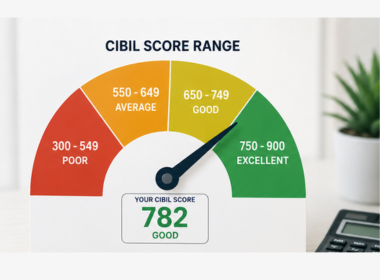
What is A Good CIBIL Range Value in India?
Know More
Can You Get a Personal Loan Without a Salary Slip?
Know More
डिफॉल्ट के बाद अपना CIBIL स्कोर कैसे सुधारें: 7 बेहतरीन तरीके
Know More
सोने में निवेश कैसे करें: अपनी संपत्ति को सुरक्षित रखने के स्मार्ट तरीके
Know More
गोल्ड लोन नीलामी की प्रक्रिया क्या है?
Know More
गोल्ड लोन EMI में डिफॉल्ट हो गया है? अभी ये 5 काम करें!
Know More
कम CIBIL स्कोर पर इंस्टेंट पर्सनल लोन: अप्रूवल कैसे प्राप्त करें
Know More
एमसीएलआर बनाम ईबीएलआर - होम लोन पर कौन अधिक बचत करता है?
Know MoreFIN SHORTS

Can I renew or extend my gold loan after the tenure ends?
Know More
Can I get a loan against 18-karat or 14-karat gold jewelry?
Know More
Will Gold Become the Best Investment by 2030?
Know More
How to Check Loan Details Using Aadhaar & PAN Card?
Know More
How to Calculate Gold Loan Interest Easily?
Know More
Non-Hallmarked Gold in 2026: Is It Safe to Buy?
Know More
Is gold a safe investment during a market crash?
Know More
What is the difference between the 22K and 24K gold price today?
Know More
How often does the gold price change in a day?
Know More
What affects gold prices in India daily?
Know More
Is gold a good investment at current prices?
Know More
Should I buy gold today or wait for a price drop?
Know MoreRelated Posts


- South +91 99469 01212
- North 1800 313 1212