
Search Suggestions
- Gold Loan
- Money Transfer
- Mutual Funds


SME Loan Interest Rates: Everything You Need to Know
What is an SME Loan?
An SME loan is a financial tool specifically tailored to meet the funding needs of small and medium-sized businesses.These businesses,which form the backbone of many economies,often face challenges in securing capital from traditional sources like banks.SME loan provide a viable alternative,offering a range of financial solutions to help these enterprises grow and thrive.
Table of Content
- What is an SME Loan?
- Purpose of SME Loans
- Types of SME Loans
- What are SME Loan Interest Rates?
- Factors Affecting SME Loan Interest Rates
- Types of Interest Rates
- SME Loan Eligibility: Key Factors
- Why Choose Muthoot Finance for SME Loans?
Purpose of SME Loans:
- Business Expansion:Securing additional funds to open new branches,acquire new equipment,or enter new markets.
- Working Capital:Managing day-to-day operations,purchasing inventory,paying salaries,and covering operational expenses.
- Debt Consolidation:Combining multiple debts into a single loan with potentially better terms.
- Infrastructure Development:Investing in property,machinery,or technology upgrades.
- Emergency Funding:Addressing unexpected financial setbacks or seizing time-sensitive opportunities.
Types of SME Loans:
- Term Loans:Fixed repayment schedules with predetermined interest rates.
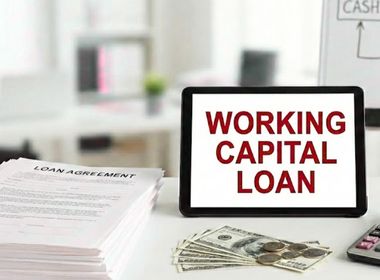
- Working Capital Loans:Flexible loans to manage short-term cash flow needs.
- Equipment Financing:Loans specifically for purchasing machinery or equipment.
- Overdraft Facilities:Short-term borrowing against a current account.
- Business Credit Cards:A revolving line of credit for business expenses.
What are SME Loan Interest Rates?
An SME loan interest rate is essentially the cost a business pays to borrow money.It's expressed as a percentage of the loan amount and is a crucial factor in determining the overall cost of financing.
Suggested Read: SME Business Loan Ideas with Low Investment High Returns
Factors Affecting SME Loan Interest Rates:
- Base Rate:The lender's benchmark interest rate,often tied to a central bank's rate,serves as the foundation.
- Loan-to-Value (LTV) Ratio:The proportion of the loan to the asset's value.A higher LTV generally leads to higher interest rates.
- Credit Score:Businesses with b credit histories typically qualify for lower rates.
- Repayment Term:Longer repayment periods often result in higher interest rates.
- Loan Amount:Larger SME loan amounts might have slightly higher interest rates.
- Collateral:Secured loans (with assets as collateral) tend to have lower interest rates than unsecured ones.
- Economic Conditions:Market interest rates and inflation can influence SME loan rates.
- Lender's Risk Assessment:The lender's evaluation of the business's financial health and repayment capacity.
Types of Interest Rates:
- Fixed Interest Rate:The interest rate remains constant throughout the loan term.
- Floating Interest Rate:The interest rate fluctuates based on the benchmark rate.
Understanding SME loan interest rates is vital for businesses to make informed financial decisions and choose the most suitable loan option.
SME Loan Eligibility: Key Factors
SME or MSME loan eligibility is determined by a combination of factors that lenders assess to evaluate a business's creditworthiness and repayment capacity. While specific criteria may vary across lenders, the following are common elements:
Business-Related Factors:
- Business Age and Structure:Most lenders prefer businesses that have been operating for a certain period (usually 2-3 years) with a stable legal structure (proprietorship, partnership, LLP, or private limited company).
- Business Size and Revenue:Lenders often consider factors like annual turnover, profit margins, and growth potential for SME finance.
- Industry and Location:Some industries might be perceived as riskier than others, and certain geographical locations could influence eligibility.
- Business Plan:A well-structured business plan demonstrating financial projections and growth strategies can enhance eligibility.
- Credit History:A b business credit history with consistent repayment of previous loans and debts is crucial.
Financial Health:
- Revenue and Profitability:Consistent revenue generation and profitability are essential for SME loan approval.
- Debt-to-Equity Ratio:A favourable debt-to-equity ratio indicates the business's ability to manage debt.
- Cash Flow:Positive cash flow demonstrates the business's ability to meet financial obligations.
- Financial Statements:Accurate and up-to-date financial records (balance sheet, income statement, cash flow statement) are required.
Collateral and Security:
- Assets:Owning valuable assets (property, equipment, inventory) can increase eligibility and potentially reduce the SME loan interest rate.
- Guarantors:Personal guarantees from business owners or directors can strengthen loan applications.
Other Factors:
- Purpose of the Loan:Clearly outlining how the loan funds will be utilised can influence eligibility.
- Repayment Capacity:Demonstrating the ability to repay the SME loan on time is crucial.
- Relationship with the Lender:Existing banking relationships can sometimes work in favour of loan approval.
It's essential for SMEs to carefully review their financial health and business operations to meet the eligibility criteria set by lenders. Building a b credit history, maintaining accurate financial records, and having a well-prepared business plan can significantly enhance their chances of securing an SME loan.
Why Choose Muthoot Finance for SME Loans?
Muthoot Finance is a trusted name in the SME lending industry.They've built a reputation for offering competitive interest rates,flexible repayment plans to suit various business needs,and a speedy loan approval process.With minimal paperwork and a vast branch network,getting an SME loan is hassle-free.Their commitment to exceptional customer service makes them a popular choice for small and medium-sized businesses seeking financial support.
CATEGORIES
OUR SERVICES
-

Credit Score
-

Gold Loan
-

Personal Loan
-

Cibil Score
-

Vehicle Loan
-

Small Business Loan
-

Money Transfer
-

Insurance
-

Mutual Funds
-

SME Loan
-
Corporate Loan
-

NCD
-

PAN Card
-
NPS
-

Custom Offers
-
Digital & Cashless
-

Milligram Rewards
-

Bank Mapping
-

Housing Finance
-

#Big Business Loan
-

#Gold Loan Mela
-
#Kholiye Khushiyon Ki Tijori
-

#Gold Loan At Home
-
#Sunherisoch
RECENT POSTS

Equifax vs CIBIL: भारत में कौन-सा क्रेडिट स्कोर अधिक महत्वपूर्ण है?
Know More
मनी एक्सचेंज के लिए कौन-कौन से दस्तावेज़ आवश्यक हैं?
Know More
डिजिटल गोल्ड vs फिजिकल गोल्ड: निवेश के लिए कौन-सा विकल्प चुनें?
Know More
प्रतिज्ञा, हाइपोथिकेशन और मॉर्गेज में क्या अंतर है?
Know More
टॉप-अप लोन या फ्रेश लोन? आपको क्या चुनना चाहिए?
Know More
How to Change the EMI Date of Your Personal Loan Easily
Know More
How Personal Finance Helps You Achieve Your Financial Goals
Know More
Should You Take a Gold Loan When Gold Prices Are High?
Know More
NBFC vs Bank Loans: Which Offers Quicker Approval?
Know More
Why Gold Loan Demand Increases During an Economic Crisis
Know MoreFIN SHORTS

Can I renew or extend my gold loan after the tenure ends?
Know More
Can I get a loan against 18-karat or 14-karat gold jewelry?
Know More
Will Gold Become the Best Investment by 2030?
Know More
How to Check Loan Details Using Aadhaar & PAN Card?
Know More
How to Calculate Gold Loan Interest Easily?
Know More
Non-Hallmarked Gold in 2026: Is It Safe to Buy?
Know More
Is gold a safe investment during a market crash?
Know More
What is the difference between the 22K and 24K gold price today?
Know More
How often does the gold price change in a day?
Know More
What affects gold prices in India daily?
Know More
Is gold a good investment at current prices?
Know More
Should I buy gold today or wait for a price drop?
Know MoreRelated Posts




- South +91 99469 01212
- North 1800 313 1212