
Search Suggestions
- Gold Loan
- Money Transfer
- Mutual Funds


What Is the Difference Between Pledge, Hypothecation and Mortgage?
We all take loans to fulfill our requirements at some point of time in our lives. Loans can be taken from different financial institutions, like banks, NFBCs, etc.
Such lenders always keep some sort of security against the loan to safeguard the amount given as a loan. In case the borrower fails to make the payment within the agreed timeframe, the lender can then use the security to protect his or her investment. There are different types of securities taken by the lender against the loan, such as Pledge, Hypothecation and Mortgage.
When an individual or an organisation applies for a loan, the bank or the lender takes security against the loan amount. This way, the bank or the lender can sell the assets owned by the borrower in case he or she defaults on the payment.
Table of Content
- What Is Pledge in Loans?
- What Is Hypothecation?
- What Is Mortgage in Loans?
- Key Differences between Pledge, Hypothecation, and Mortgage
What Is Pledge in Loans?
In case of a Pledge, the lender holds on to certain goods or items such as gold, stock or certificates till the time the borrower makes the complete payment of the loan amount. If in case the borrower fails to make the payment on time, the lender can then proceed to sell off those items kept as security as a means to recover the loan amount. This way, the lender reduces the risk on its part.
What Is Hypothecation?
In case of a Hypothecation loan, the possession of the assets (that are to be used as security against the loan amount) is still with the borrower. Hence, the lender has to first take possession of the asset in order to recover the loan amount. Hypothecation is basically used to describe movable assets used as a security against the loan amount by the lender. For example, if a borrower has taken a loan for buying a vehicle and then defaults on the EMI payment, the lender can then proceed to take possession of the vehicle as a means of recovery.
What Is Mortgage in Loans?
In case of a mortgage loan, the borrower can use immovable assets such as a house, building or a piece of land as security against the loan. In case the borrower defaults on his payments, the lender can than proceed to take possession of the immovable asset and sell it off to recover the loan amount. Mortgage is used for immovable assets such as a house, building or a piece of land. Mortgage interest rate is the rate of interest charged on a mortgage loan. These rates can vary from 8.15% to 11.80% p.a.
These are the different types of terminologies used in case someone applies for a housing loan, including home mortgage loan. Always stay aware to make the right decision. If you seek a home loan at competitive interest rates along with accessible loan terms, then get in touch with our experts at Muthoot Homefin, the housing loan arm of Muthoot Group.
Key Differences between Pledge, Hypothecation, and Mortgage
- Meaning: A pledge is the bailment of assets as security against a loan, hypothecation means creating charge on assets without delivering them to the lender, and a mortgage involves the transfer of an interest in specific assets as security against loans.
- Type of Security: Assets under a pledge include movable property, like gold, stocks, NSCs, etc. Assets under hypothecation are movable, like stocks, debtors, vehicles, etc. Assets under mortgage are immovable, like houses, land, etc.
- Possession: Under a pledge, the possession of the asset is taken by the lender until the loan is repaid. The borrower has possession of the asset in case of hypothecation and retains possession in case of a mortgage.
- In Case of Default: The lender has the right to sell the asset under a pledge, seize the asset under a hypothecation, and the right to foreclose the property in case of a mortgage.
- Types of Loans: Advance against NSCs and gold loans are examples of pledges; advance against stocks or debtors and vehicle loans are examples of hypothecation; and housing loans are an example of mortgage.
CATEGORIES
OUR SERVICES
-

Credit Score
-

Gold Loan
-

Personal Loan
-

Cibil Score
-

Vehicle Loan
-

Small Business Loan
-

Money Transfer
-

Insurance
-

Mutual Funds
-

SME Loan
-
Corporate Loan
-

NCD
-

PAN Card
-
NPS
-

Custom Offers
-
Digital & Cashless
-

Milligram Rewards
-

Bank Mapping
-

Housing Finance
-

#Big Business Loan
-

#Gold Loan Mela
-
#Kholiye Khushiyon Ki Tijori
-

#Gold Loan At Home
-
#Sunherisoch
RECENT POSTS
Equifax vs CIBIL: भारत में कौन-सा क्रेडिट स्कोर अधिक महत्वपूर्ण है?
Know More
मनी एक्सचेंज के लिए कौन-कौन से दस्तावेज़ आवश्यक हैं?
Know More
डिजिटल गोल्ड vs फिजिकल गोल्ड: निवेश के लिए कौन-सा विकल्प चुनें?
Know More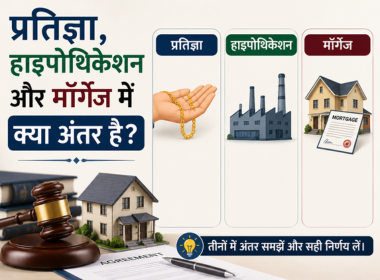
प्रतिज्ञा, हाइपोथिकेशन और मॉर्गेज में क्या अंतर है?
Know More
टॉप-अप लोन या फ्रेश लोन? आपको क्या चुनना चाहिए?
Know More
How to Change the EMI Date of Your Personal Loan Easily
Know More
How Personal Finance Helps You Achieve Your Financial Goals
Know More
Should You Take a Gold Loan When Gold Prices Are High?
Know More
NBFC vs Bank Loans: Which Offers Quicker Approval?
Know More
Why Gold Loan Demand Increases During an Economic Crisis
Know MoreFIN SHORTS

Is gold a safe investment during a market crash?
Know More
What is the difference between the 22K and 24K gold price today?
Know More
How often does the gold price change in a day?
Know More
What affects gold prices in India daily?
Know More
Is gold a good investment at current prices?
Know More
Should I buy gold today or wait for a price drop?
Know More
Track My Loan: Simple Steps to Check Personal Loan Status
Know More
No Salary Slip? Still Get Instant Personal Loan Online – Here’s How
Know More
Step-by-Step Guide to Gold Loan Calculation
Know More
Gold Loan Renewal Process Explained – Step-by-Step Guide
Know More
Missed Your Gold Loan EMI? Here's What Happens Next
Know More
How to Apply for Gold Loan in 2026 – Step-by-Step Guide
Know MoreRelated Posts




- South +91 99469 01212
- North 1800 313 1212