
Search Suggestions
- Gold Loan
- Money Transfer
- Mutual Funds


How Company CIBIL Score Affects Business Loan Approval
Managing a business comes with constant financial decisions. Since most entrepreneurs rely on profit and turnover margins, they may need external funding to manage their operations or capital to quickly enter new territories. Lenders will evaluate your company’s CIBIL report to understand how disciplined you are with your debt.
Table of Content
- What is the Company CIBIL Score?
- What is Considered a Good Company CIBIL Score?
- Which Factors Affect the Company’s Credit Score?
- Difference Between Personal Loan and Company Credit Score
- Tips to Improve Credit Score
When applying for an SME loan, lenders, including banks and NBFCs, check the CIBIL score to assess risk and repayment capacity. If the report shows timely repayments and low credit utilisation, the company is viewed as a “safe” borrower.
However, many business owners realise the importance of maintaining a good credit score after their loan application is rejected. Factors like card payment, vendor credit, and existing term loans leave a footprint on the credit score. Maintaining a good credit score helps avoid unnecessary setbacks and secure a business loan on favourable terms.
Suggested Read: Commercial CIBIL vs Consumer CIBIL Score - What’s the Difference?
What is the Company CIBIL Score?
Also called the Company Credit Report (CCR), it is an extensive document representing the company’s financial health. CCR is checked by banks and NBFCs to estimate the creditworthiness and financial stability of a business or enterprise.
Components of CCR
- Background Information: Has the background of the business, such as parent and subsidiary companies, ownership details, years of operation, etc.
- CIBIL Rank: This rank ranges on a scale between 1 and 10, wherein rank 1 is the highest and 10 is the lowest. The closer your rank is to 1, the higher your chances of securing a business loan. Not having a CIBIL rank shouldn’t be considered as a negative factor; it means the company doesn’t fall under the criteria.
- Financial Information: Financial details like repayments and revenue generation are included. This determines appropriate credit levels that companies can take.
What is Considered a Good Company CIBIL Score?
For a business, its company's CIBIL score should be 4 out of 10 to be considered “good”. The lower the rank, the better the creditworthiness. Lenders often use this band as their preferred range for smoother approvals, better interest rates, and higher loan limits for business loans and working capital facilities.
Which Factors Affect the Company’s Credit Score?
This CCR is prepared by CIBIL after the financial history is evaluated. Having a good credit score will speed up the approval process of the business loan. Other factors include:
Factor | Description |
Credit History | Longer the credit history, higher the credit rating. |
Credit Utilisation Ratio | A credit utilisation ratio of 40% is ideal. If it exceeds the threshold, you may receive: ● High interest rate ● Smaller loan amount ● Shorter repayment term |
Repayment History | If your business has consistently paid its loans on time, obtaining additional credit becomes easier. |
Business Vantage | If the business has experience and has met all financial commitments, approvals on SME loans speeds up. |
Debt | Large amounts of debts have a negative impact on the business. |
Industry | Industry related risks may hurt the CCR. If the industry faces frequent ups and downs, the company will face restrictions. |
Suggested Read: How Much CIBIL Score is Required for A Business Loan?
Difference Between Personal Loan and Company Credit Score
Aspect | Personal loan | Company Credit Score (CIBIL Rank) |
Definition | A type of unsecured loan given to an individual for personal use (medical, travel, EMIs, etc) | A creditworthiness rating was assigned to a registered business by CIBIL (TransUnion) to show how reliably they repay credit. |
Whose profile it uses | Based on the individual’s income, repayment history, and personal CIBIL score (300–900). | Based on the company’s loan/credit history, business vintage, and payment behavior, not the owner’s personal details. |
Score/range | Uses a personal CIBIL score (300–900); 700+ is generally considered good. | Uses a CIBIL Rank (1–10); ranks 1–4 is usually seen as good/strong. |
Purpose | Meant for personal expenses (household, education, travel, emergencies). | Used by lenders to judge a business’s credit risk for business loans and working capital |
Who is liable | Liability is on the individual borrower; default affects their personal credit profile. | Liability is on the business entity; default mainly impacts the company’s CIBIL Rank. |
Tips to Improve Credit Score
Business owners can improve their CIBIL company score by paying off loans on time and keeping credit utilisation low. Other proactive measures they can take include:
- Avoid multiple credit inquiries.
- Ensure you’ve paid the EMIs on time.
- Do not exhaust your credit card limit. Take loans which you can repay on time.
- Set up auto-payment reminders to never miss a due date.
- Review the company’s CIBIL report regularly and fix inaccuracies immediately.
Maintaining a good company CIBIL report ensures that businesses can access funds without delays. At Muthoot Finance, businesses can explore SME loans designed to support their financial requirements. With quick processing and flexible repayment options, our experts can help. Visit the nearest branch to know more.
- Apply PAN Card Online
- Application
- Eligibility
- Documents Required Forms
- Form 49A
- Form 49AA
- Fees
- Correction & Update
- NRI PAN Card
- Tracking
- Penalty
CATEGORIES
OUR SERVICES
-

Credit Score
-

Gold Loan
-

Personal Loan
-

Cibil Score
-

Vehicle Loan
-

Small Business Loan
-

Money Transfer
-

Insurance
-

Mutual Funds
-

SME Loan
-
Corporate Loan
-

NCD
-

PAN Card
-
NPS
-

Custom Offers
-
Digital & Cashless
-

Milligram Rewards
-

Bank Mapping
-

Housing Finance
-

#Big Business Loan
-

#Gold Loan Mela
-
#Kholiye Khushiyon Ki Tijori
-

#Gold Loan At Home
-
#Sunherisoch
RECENT POSTS
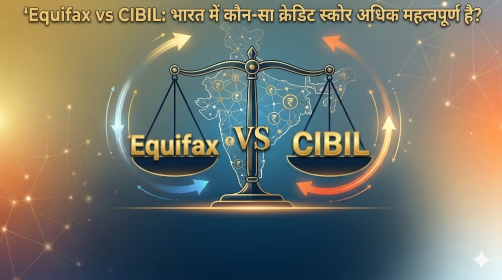
Equifax vs CIBIL: भारत में कौन-सा क्रेडिट स्कोर अधिक महत्वपूर्ण है?
Know More
मनी एक्सचेंज के लिए कौन-कौन से दस्तावेज़ आवश्यक हैं?
Know More
डिजिटल गोल्ड vs फिजिकल गोल्ड: निवेश के लिए कौन-सा विकल्प चुनें?
Know More
प्रतिज्ञा, हाइपोथिकेशन और मॉर्गेज में क्या अंतर है?
Know More
टॉप-अप लोन या फ्रेश लोन? आपको क्या चुनना चाहिए?
Know More
How to Change the EMI Date of Your Personal Loan Easily
Know More
How Personal Finance Helps You Achieve Your Financial Goals
Know More
Should You Take a Gold Loan When Gold Prices Are High?
Know More
NBFC vs Bank Loans: Which Offers Quicker Approval?
Know More
Why Gold Loan Demand Increases During an Economic Crisis
Know MoreFIN SHORTS

Is gold a safe investment during a market crash?
Know More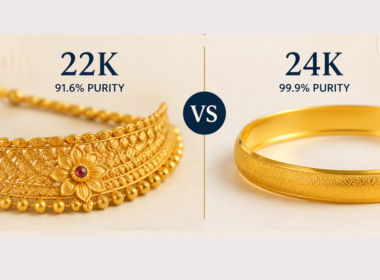
What is the difference between the 22K and 24K gold price today?
Know More
How often does the gold price change in a day?
Know More
What affects gold prices in India daily?
Know More
Is gold a good investment at current prices?
Know More
Should I buy gold today or wait for a price drop?
Know More
Track My Loan: Simple Steps to Check Personal Loan Status
Know More
No Salary Slip? Still Get Instant Personal Loan Online – Here’s How
Know More
Step-by-Step Guide to Gold Loan Calculation
Know More
Gold Loan Renewal Process Explained – Step-by-Step Guide
Know More
Missed Your Gold Loan EMI? Here's What Happens Next
Know More
How to Apply for Gold Loan in 2026 – Step-by-Step Guide
Know MoreRelated Posts




- South +91 99469 01212
- North 1800 313 1212