
Search Suggestions
- Gold Loan
- Money Transfer
- Mutual Funds


What is Underwriting in Personal Loans?
When you apply for a personal loan, the approval does not happen automatically, even if it may feel that way from your end. Behind the scenes, lenders follow a detailed evaluation process to decide whether to approve your loan and on what terms. This process is called loan underwriting. Understanding this process can help you improve your chances of approval and secure better loan terms.
Table of Content
- What Is Loan Underwriting?
- Why Is Underwriting Important?
- Type of Loan Underwriting
- What Do Lenders Check During Underwriting?
- 5 Tips for a Smooth Underwriting Experience
Here is all you need to know.
What Is Loan Underwriting?
Loan underwriting is basically a process where the lender assesses the risk involved in lending money to a borrower. During this stage, they evaluate your financial profile to determine:
- The interest rate you may receive
- The loan amount you qualify for
- The repayment tenure offered
In the case of a personal loan, which is usually unsecured (meaning no collateral is required), underwriting becomes even more important. If a borrower does not meet the lender’s eligibility criteria, the application may be rejected.
Why Is Underwriting Important?
From a lender’s perspective, offering a loan always involves a certain level of risk, especially when it comes to unsecured loans like personal loans. They need to ensure that the borrower has a stable income, can repay the loan on time, and has a good repayment history.
Underwriting protects both the lender and the borrower by:
- Reducing defaults
- Preventing over-borrowing
- Offering appropriate interest rates
- Maintaining transparency in lending
Suggested Read: What is CMR? Understanding CIBIL MSME Rank and Its Importance
Type of Loan Underwriting
There are generally three types of underwriting processes, including:
- Manual Underwriting: In this traditional method, a loan officer personally reviews the borrower’s documents and financial details personally. While this process may take longer and have higher processing costs, it offers a more personalised review and flexibility in decision-making.
- Automated Underwriting: Most modern lenders now use automated systems that analyse borrower data quickly using algorithms. This significantly speeds up the approval process and reduces paperwork. However, automated underwriting offers less flexibility and may have potential algorithm bias.
- Hybrid Underwriting: This underwriting process combines automated evaluation and manual review. Many regulated lenders follow this method to balance speed with accuracy.
What Do Lenders Check During Underwriting?
Here are the main factors lenders evaluate during the loan underwriting process:
1. Credit Score
Your credit score is one of the first things lenders check. It reflects your past repayment behaviour. A higher score indicates that you are a responsible credit user and improves your chances of approval. It may also help you secure a lower interest rate.
2. Income and Employment Stability
A steady and reliable source of income shows your ability to repay the loan and increases your chances of approval. Lenders typically ask for:
- Salary slips (for salaried individuals)
- Income tax returns (for self-employed individuals)
- Employer details
- Job stability and work experience
3. Debt-to-Income Ratio (DTI)
Your DTI ratio compares your monthly debt obligations to your monthly income. Lenders use your DTI ratio to determine whether you have sufficient income to manage additional repayments. Most lenders prefer a DTI ratio below 40 to 50%.
4. Loan Amount and Tenure Requested
The amount you apply for and the repayment period also influence underwriting. A higher loan amount or shorter tenure may increase your EMI burden, which can affect approval chances.
Suggested Read: How to Get an Instant Personal Loan Without Any Documentation?
5 Tips for a Smooth Underwriting Experience
Getting through the underwriting process smoothly can make your personal loan approval faster and easier. Here are a few simple tips that can help:
- Boost Your Creditworthiness: Your credit score is one of the first factors lenders evaluate. A higher credit score means a higher chance of loan approval. So, make sure you pay your credit card bills and EMIs on time to maintain a healthy score, ideally above 750.
- Keep Your Documents Ready: Having the necessary documents ready, such as identity proof, address proof, income proof, and bank statements, can help speed up the underwriting process and avoid delays.
- Manage Existing Debts: Try to reduce your current loan obligations before applying for a new loan. A lower debt-to-income ratio shows lenders that you can manage additional repayments.
- Avoid Multiple Loan Applications: Applying for many loans at the same time can negatively impact your credit score and make lenders view your application as risky. Apply only when necessary and with a lender that suits your financial profile.
- Be Honest: Lastly, always provide accurate and transparent information about your income, debts, and any credit issues you may have had in the past. Any mismatch during verification can slow down the process.
Understanding what loan underwriting is can be helpful when applying for a personal loan. While you do not need to know every technical detail, having a basic idea of how lenders evaluate applications can help you prepare better, avoid unnecessary rejections, and choose loan options that suit your financial situation.
Planning to apply for a personal loan? At Muthoot Finance, we offer personal loans with competitive interest rates, easy documentation, hassle-free documentation, and fast disbursal.
With years of experience in helping people meet their financial needs, we are a name you can trust. To apply for a personal loan, visit our website or your nearest Muthoot Finance branch.
- Instant Personal Loan
- EMI Calculator
- Document Required
- Track Personal Loan
- Interest Rate
- Procedure and Eligibility
CATEGORIES
OUR SERVICES
-

Credit Score
-

Gold Loan
-

Personal Loan
-

Cibil Score
-

Vehicle Loan
-

Small Business Loan
-

Money Transfer
-

Insurance
-

Mutual Funds
-

SME Loan
-
Corporate Loan
-

NCD
-

PAN Card
-
NPS
-

Custom Offers
-
Digital & Cashless
-

Milligram Rewards
-

Bank Mapping
-

Housing Finance
-

#Big Business Loan
-

#Gold Loan Mela
-
#Kholiye Khushiyon Ki Tijori
-

#Gold Loan At Home
-
#Sunherisoch
RECENT POSTS
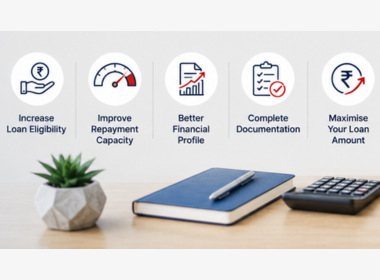
How to Maximise Personal Loan Amount on Your Current Salary?
Know More
Why Salaried Individuals Are More Eligible for Instant Personal Loans?
Know More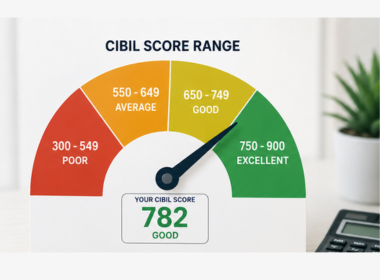
What is A Good CIBIL Range Value in India?
Know More
Can You Get a Personal Loan Without a Salary Slip?
Know More
डिफॉल्ट के बाद अपना CIBIL स्कोर कैसे सुधारें: 7 बेहतरीन तरीके
Know More
सोने में निवेश कैसे करें: अपनी संपत्ति को सुरक्षित रखने के स्मार्ट तरीके
Know More
गोल्ड लोन नीलामी की प्रक्रिया क्या है?
Know More
गोल्ड लोन EMI में डिफॉल्ट हो गया है? अभी ये 5 काम करें!
Know More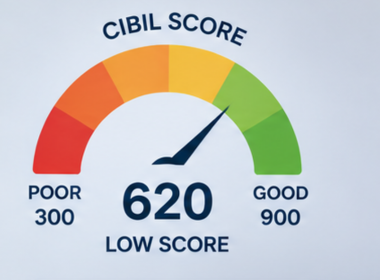
कम CIBIL स्कोर पर इंस्टेंट पर्सनल लोन: अप्रूवल कैसे प्राप्त करें
Know More
एमसीएलआर बनाम ईबीएलआर - होम लोन पर कौन अधिक बचत करता है?
Know MoreFIN SHORTS

Can I renew or extend my gold loan after the tenure ends?
Know More
Can I get a loan against 18-karat or 14-karat gold jewelry?
Know More
Will Gold Become the Best Investment by 2030?
Know More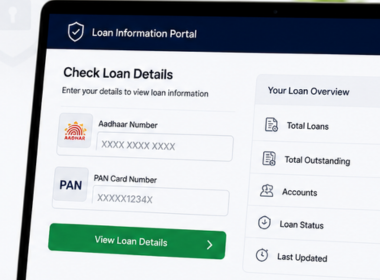
How to Check Loan Details Using Aadhaar & PAN Card?
Know More
How to Calculate Gold Loan Interest Easily?
Know More
Non-Hallmarked Gold in 2026: Is It Safe to Buy?
Know More
Is gold a safe investment during a market crash?
Know More
What is the difference between the 22K and 24K gold price today?
Know More
How often does the gold price change in a day?
Know More
What affects gold prices in India daily?
Know More
Is gold a good investment at current prices?
Know More
Should I buy gold today or wait for a price drop?
Know MoreRelated Posts


- South +91 99469 01212
- North 1800 313 1212