
Search Suggestions
- Gold Loan
- Money Transfer
- Mutual Funds


Why Credit Score Is The Only Number You Should Be Concerned With
Table Of Content
There may be times in life when you require additional funds to accomplish short-term or long-term objectives. A personal loan might help you meet your financial responsibilities for a wedding, home purchase, vacation, or remodelling. If you want to get a personal loan, one of the first things a lender will look at is your CIBIL score for loan approval. A solid credit score might help you weather financial storms. When you apply for a loan or a credit card, the lender looks at your credit score to understand your credit history. In this blog, we have briefly discussed the importance of credit score for loan.
What is CIBIL Score?
An applicant receives a CIBIL Score, or credit score, from the Credit Information Bureau of India Limited, which indicates his creditworthiness and capacity to repay the loan on time.
CIBIL is a three-digit number calculated based on the applicant's financial history. The CIBIL Score runs from 300 to 900, and people with a higher score have a better chance of obtaining loans authorised. According to CIBIL's own statistics, the majority of loans issued are for people with credit scores of 750 or above.
Your CIBIL Score is calculated by a lot of elements, including your payment history, credit history, loan opening and outstanding amount, and so on. Different banks and financial organisations have different standards for issuing securities.
There may be times in your life when you require additional funds to achieve your short-term or long-term objectives. A personal loan can help you meet your financial responsibilities, whether for a wedding, a property purchase, a trip, or home improvement. When applying for a personal loan, one of the first things a lender will look at is your CIBIL score and a bad credit score does no good to you. A strong credit score might assist you in overcoming financial difficulties. The lender analyses your credit score to learn about your credit history when applying for a loan or a credit card.
Suggested Read: Quick Tips for Boosting Your CIBIL Score
Why Maintaining Your Credit Score is Important
Your credit score for a loan is important because it shows how trustworthy or hazardous you are as a borrower. As a result, it has a direct influence on your loan eligibility, the loan amount offered by the lender, and the interest rate charged. Lenders might use your credit score to assess the risk of giving you money. When it comes to unsecured or collateral-free loans, your credit score is essential and can greatly affect your applying for a personal loan eligibility for personal loans. Now, you have the ability to check your score on the cibil score calculator for free on our website.
While you, as a person, have a credit score, so do corporations. The CIBIL score affects how creditworthy a lender considers a corporation. A company's credit score may also influence its ability to attract investment.
How to Maintain Your CIBIL Score?
Want to maintain a good CIBIL score? The following are a few points that will help you maintain your credit score:
- Do not attempt to delete or eliminate past debt from your credit record. It is the type of debt that is beneficial for your credit since it demonstrates that you paid the loan on time. Furthermore, the longer the loan is repaid, the better it is for your credit score since lenders like to see a long-standing excellent credit report rather than a good credit report for a short period of time. It considers your profile to be trustworthy, low-risk, and deserving of future credit.
- Recurring digital calendar reminders may be set up to remind you to pay your bills on time. You may also keep track of your financial transactions by keeping a diary or a log. Delayed payments not only result in late fees, but they may also harm your credit.
- Examine your credit history on a regular basis throughout the year. Check your CIBIL score and reports on a regular basis for irregularities. CIBIL may occasionally make errors while updating your records, integrating inaccurate information into your report and causing delays in recording facts. Sometimes a repaid debt is not updated on your credit report, which can have a negative impact on you. If you detect such problems, have them corrected as soon as possible.
Suggested Read: What is TransUnion CIBIL? Check Your CIBIL Score and Report for Free
A good credit score ensures that you may get loans with more favourable conditions and cheaper interest rates, which will save you money. A bad credit score, on the other hand, may result in your loan or credit card application being denied or granted in less-than-favorable circumstances. As a result, the only number you should be concerned with is your credit score.
CATEGORIES
OUR SERVICES
-

Credit Score
-

Gold Loan
-

Personal Loan
-

Cibil Score
-

Vehicle Loan
-

Small Business Loan
-

Money Transfer
-

Insurance
-

Mutual Funds
-

SME Loan
-
Corporate Loan
-

NCD
-

PAN Card
-
NPS
-

Custom Offers
-
Digital & Cashless
-

Milligram Rewards
-

Bank Mapping
-

Housing Finance
-

#Big Business Loan
-

#Gold Loan Mela
-
#Kholiye Khushiyon Ki Tijori
-

#Gold Loan At Home
-
#Sunherisoch
RECENT POSTS
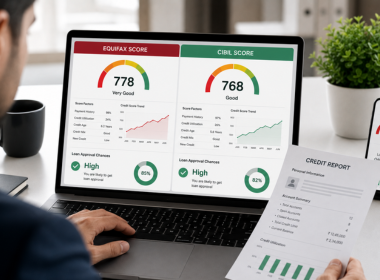
Equifax vs CIBIL: भारत में कौन-सा क्रेडिट स्कोर अधिक महत्वपूर्ण है?
Know More
मनी एक्सचेंज के लिए कौन-कौन से दस्तावेज़ आवश्यक हैं?
Know More
डिजिटल गोल्ड vs फिजिकल गोल्ड: निवेश के लिए कौन-सा विकल्प चुनें?
Know More
प्रतिज्ञा, हाइपोथिकेशन और मॉर्गेज में क्या अंतर है?
Know More
टॉप-अप लोन या फ्रेश लोन? आपको क्या चुनना चाहिए?
Know More
How to Change the EMI Date of Your Personal Loan Easily
Know More
How Personal Finance Helps You Achieve Your Financial Goals
Know More
Should You Take a Gold Loan When Gold Prices Are High?
Know More
NBFC vs Bank Loans: Which Offers Quicker Approval?
Know More
Why Gold Loan Demand Increases During an Economic Crisis
Know MoreFIN SHORTS

Can I renew or extend my gold loan after the tenure ends?
Know More
Can I get a loan against 18-karat or 14-karat gold jewelry?
Know More
Will Gold Become the Best Investment by 2030?
Know More
How to Check Loan Details Using Aadhaar & PAN Card?
Know More
How to Calculate Gold Loan Interest Easily?
Know More
Non-Hallmarked Gold in 2026: Is It Safe to Buy?
Know More
Is gold a safe investment during a market crash?
Know More
What is the difference between the 22K and 24K gold price today?
Know More
How often does the gold price change in a day?
Know More
What affects gold prices in India daily?
Know More
Is gold a good investment at current prices?
Know More
Should I buy gold today or wait for a price drop?
Know MoreRelated Posts


FAQs
Why is a credit score so important in India?
In India, having a good credit score helps individuals secure loans and credit cards on favourable terms. Having a low credit score, on the other hand, can make it challenging to obtain a loan, and if you do, it will likely be for a low amount at a higher interest rate. The advantages of maintaining a good credit score include:
- Loans with lower interest rates
- Flexible repayment tenure
- Increased chances of credit approval
- Better chances to accept pre-approved loans
What is a credit score, and how is it calculated?
A credit score is a three-digit numerical summary (ranging from 300-900 in India) that reflects how reliably you have managed borrowing and repayments. It is calculated by credit bureaus using data submitted by banks and lenders: major factors include your payment history, credit utilisation, the length of your credit history, types of credit you use, and the number of recent enquiries.
What range of credit scores is considered “good” or “excellent”?
In India, a credit score typically ranges from 300 to 900, reflecting an individual’s financial reliability. A score between 700 and 749 is generally considered good, showing consistent repayment behaviour and responsible credit use. A score of 750 or above is regarded as excellent, providing easier access to loans, credit cards, and better interest rates. Maintaining a strong credit score helps build trust with lenders and ensures smoother financial approvals.
How does a low credit score impact loan approvals and interest rates?
A low credit score signals poor repayment behaviour or high credit risk, making lenders hesitant to approve loans. Even if approved, borrowers may face higher interest rates, stricter terms, or reduced loan amounts. It also affects eligibility for credit cards and premium financial products. Maintaining timely payments, lowering credit utilisation, and avoiding frequent loan applications can help improve your score and secure better loan offers with favourable interest rates in the future.
What are the key factors that influence a credit score?
Factors that affect your credit score include: -
- Payment history: Your on-time loan EMI and credit card payments are the single biggest determinant of missed or delayed payments that can impact your credit score.
- Credit utilisation ratio: This measures how much of your available credit you’re using; a high ratio (especially above 30-40 %) signals higher risk to lenders.
- Length of credit history and credit mix: Longer credit history and a healthy mix of secured (e.g., home loan) and unsecured (e.g., credit card) credit accounts build trust with lenders.
Is it possible to get a loan with a poor or zero credit score?
Yes, it is possible to get a loan even with a poor or zero credit score. However, it can be a challenging deal. Lenders may offer smaller loan amounts at higher interest rates or require collateral or a co-applicant with a good credit history. Individuals with no credit history can also explore options like secured loans or salary-based loans. Over time, with responsible repayment, one can build creditworthiness and improve eligibility for better loan offers.


- South +91 99469 01212
- North 1800 313 1212