
Search Suggestions
- Gold Loan
- Money Transfer
- Mutual Funds


How is Credit Score Calculated, its Importance and How to Imporve It?
Table of content
A credit score describes the credit merit of a cardholder, a person who has taken a loan, or one who wants to take a loan. It is defined as a 3-digit number, falling in the range of 300-900. Irrespective of which lender you avail a loan from, your credit score will be checked before sanctioning the amount. The credit score is calculated by four credit bureaus in the country namely, the TransUnion CIBIL, Equifax, High Mark Credit Information Service, and Experian Credit Information. Each bureau maintains a proprietary algorithm that they use to calculate the credit scores. For credit score calculation, several factors are considered. But before proceeding with how to calculate the credit score, let’s know more about a good credit score.
What is a Credit Score?
A credit score is a merit that gives you information about the repayment history, tenures of previous debts, utilisation of credit, defaults, and so on. In India, though most banks have set a limit for sanctioning loans, the chance of approval is higher if the credit score is high. As per the survey, it was seen that most banks and NBFCs voted 700 or higher when asked ‘what is a good CIBIL score or credit score range’. Amongst the four credit bureaus, most banks and NBFCs consider the CIBIL score as the benchmark for sanctioning a loan to a borrower. A credit score is a tricky and important factor that you need to know of as it decides whether or not you will get the loan.
How to Calculate Credit Score
Each of the credit bureaus calculate the credit score differently; however, the common factors that are taken into consideration include the following –
Payment History
Known as a high impact factor in credit score, payment history can impact your credit score in both good and not-so-good ways. With the help of the payment history, a lender can check your consistency in paying credit bills, EMIs of other debts etc. This helps the lender in knowing if you are a responsible borrower and have a lower risk of defaults. Having a responsible payment history will lead to your eligibility for preferential rates on loans, quicker approval and so on . Having an irresponsible payment history like missing payments or late repayments will impact your credit score negatively. That is why having a good payment history is important if you want a good credit score for easy sanctioning of your loans.
Credit Utilisation Ratio
Another high impact factor in the calculation of the credit score is the credit utilisation ratio. It is the total number of credits that you have used in parts to the cumulative total credit limit that is given to you. Having a good credit utilisation ratio is one of the most significant importance of credit score. A credit utilisation ratio is calculated by dividing the overall outstanding balance by the total credit limit. As per the industry experts, 30-40% of the given credit limit should be used by the consumer for maintaining a high score.
Total Accounts
Although this is a low impact factor, having a good balance of both secured and unsecured credit ensures a satisfactory credit score. Secured credit includes loans like a car loan, home loan, and so on; unsecured credit is your credit card. A good record of your total accounts reflects your capability of handling two accounts responsibly. Apart from these, the age of the credit, types of accounts, and credit inquiries are also considered while calculating the credit score.
How to Improve Credit Score
Now that you know what a credit score is, here are a few tips that will help you improve your credit score –
Repay on Time
Timely repayment is very essential for maintaining a good credit score. The credit score fluctuates if repayments are not done on time. Whenever you default, it gets recorded in the credit report, which makes the score low, while reflecting on the repayment history. Hence, always make sure to repay on time. A specific due date is given for the repayment – set a reminder on your phone about the same so that you don’t miss the payment.
Suggested Read: 9 Best Practices To Improve Your Credit Score
Have Different Credit Forms
Another tip on how to increase your credit score is by having a mix of different forms of credit like secured credit, unsecured credit, and so on. Having multiple ranges of unsecured credits may have a negative impact on the credit score. So, always try to have both secured credit (loans) and unsecured credit (credit cards). Ensure that both the accounts are well-maintained without any defaults.
Always Avoid Stacking Debts
If multiple unsecured credits harm the credit score, so does having multiple secured credits i.e. loans. If you have too many loans against your name, it can lower your credit score. Hence, it is advisable to take one loan at a time. Clear the first loan and then take another one. Also, ensure that you don’t over-utilise your credit card. Often, credit card usage can go out of the way but make sure to keep a track of it.
Other than these, maintaining your older credit cards, checking your score report now and then, etc., are also some tips on how to increase your credit score.
Various online credit score calculators are available today. All you have to do is search for ‘how to know what my credit score is’ online and the list will be shown to you. Muthoot Finance is one of the leading non-banking financial institutions in India, offering gold loans, gold coins, forex, and many other financial services. We have a plethora of schemes which our customers can select for availing great offers on our services.
CATEGORIES
OUR SERVICES
-

Credit Score
-

Gold Loan
-

Personal Loan
-

Cibil Score
-

Vehicle Loan
-

Small Business Loan
-

Money Transfer
-

Insurance
-

Mutual Funds
-

SME Loan
-
Corporate Loan
-

NCD
-

PAN Card
-
NPS
-

Custom Offers
-
Digital & Cashless
-

Milligram Rewards
-

Bank Mapping
-

Housing Finance
-

#Big Business Loan
-

#Gold Loan Mela
-
#Kholiye Khushiyon Ki Tijori
-

#Gold Loan At Home
-
#Sunherisoch
RECENT POSTS
How to Maximise Personal Loan Amount on Your Current Salary?
Know More
Why Salaried Individuals Are More Eligible for Instant Personal Loans?
Know More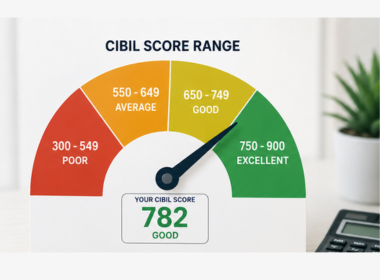
What is A Good CIBIL Range Value in India?
Know More
Can You Get a Personal Loan Without a Salary Slip?
Know More
डिफॉल्ट के बाद अपना CIBIL स्कोर कैसे सुधारें: 7 बेहतरीन तरीके
Know More
सोने में निवेश कैसे करें: अपनी संपत्ति को सुरक्षित रखने के स्मार्ट तरीके
Know More
गोल्ड लोन नीलामी की प्रक्रिया क्या है?
Know More
गोल्ड लोन EMI में डिफॉल्ट हो गया है? अभी ये 5 काम करें!
Know More
कम CIBIL स्कोर पर इंस्टेंट पर्सनल लोन: अप्रूवल कैसे प्राप्त करें
Know More
एमसीएलआर बनाम ईबीएलआर - होम लोन पर कौन अधिक बचत करता है?
Know MoreFIN SHORTS

Can I renew or extend my gold loan after the tenure ends?
Know More
Can I get a loan against 18-karat or 14-karat gold jewelry?
Know More
Will Gold Become the Best Investment by 2030?
Know More
How to Check Loan Details Using Aadhaar & PAN Card?
Know More
How to Calculate Gold Loan Interest Easily?
Know More
Non-Hallmarked Gold in 2026: Is It Safe to Buy?
Know More
Is gold a safe investment during a market crash?
Know More
What is the difference between the 22K and 24K gold price today?
Know More
How often does the gold price change in a day?
Know More
What affects gold prices in India daily?
Know More
Is gold a good investment at current prices?
Know More
Should I buy gold today or wait for a price drop?
Know MoreRelated Posts





- South +91 99469 01212
- North 1800 313 1212