
Search Suggestions
- Gold Loan
- Money Transfer
- Mutual Funds


Unlock Big Tax Savings with Health Insurance
None of us plan to fall ill or require medical treatment, but the reality is that at some point, we may need medical care. With the rising costs of healthcare, it's essential to have health insurance to help ease the financial burden that comes with medical expenses.
Table of Content
- What is Health Insurance?
- Benefits of Health Insurance Premiums
- Various Types of Health Insurance and Their Tax Implications
- Conclusion
A standard health insurance policy typically covers a range of medical and surgical costs, depending on the terms and conditions of the plan. In most cases, either you pay for the treatment upfront and get reimbursed by the insurer later, or the insurer covers the costs directly with the hospital, providing what's known as cashless treatment. This ensures that financial stress doesn't add to the challenges of medical care when it's needed the most.
What is Health Insurance?
Health insurance is a type of plan that offers financial protection against expenses related to illness, injury, or medical treatments. These plans are designed to shield individuals and families from the burden of high medical costs. You can obtain health insurance through different sources, such as private insurers, employers, or government programs.
While coverage options can differ, most health insurance plans include hospital stays, doctor visits, prescription drugs, and other essential medical services. The best health insurance policy in India often includes cashless treatment at a wide network of hospitals.
In addition, health insurance policies can serve as tax-saving tools. By taking advantage of the benefits offered under Section 80D of the Income Tax Act, of 1961, individuals can lower their taxable income by claiming deductions for premiums paid towards health insurance for themselves, their spouse, and dependent kids. Section 80D allows you to manage both healthcare expenses and tax liabilities effectively, offering financial relief in multiple ways.
Benefits of Health Insurance Premiums
Access to Quality Health Care
Having health insurance ensures access to quality care whenever needed, whether it's for a routine check-up or urgent medical attention. With health insurance in place, you can feel confident that the costs will be covered, allowing you to prioritize your health.
Protection from Financial Strain
Medical expenses can quickly pile up without health insurance, placing a heavy financial burden on individuals. Health insurance safeguards you from these overwhelming costs, enabling you to focus on your recovery instead of the financial implications.
Reduced Out-of-Pocket Expenses
Health insurance significantly lowers out-of-pocket costs for medical services. Many plans include features such as copayments and coinsurance, covering expenses for doctor visits, lab tests, and other necessary treatments, making healthcare more affordable.
Preventive Care Access
Most health insurance plans provide coverage for preventive care, such as routine check-ups and screenings, at no extra charge. This ensures that maintaining your health is manageable without the added worry of cost.
Prescription Drug Coverage
Additionally, health insurance often includes prescription drug coverage, allowing access to necessary medications. This ensures that you can manage your health effectively without being burdened by the high costs of prescriptions.
Suggested Read: Top Tax Benefits of Health Insurance That You Can't Miss
Various Types of Health Insurance and Their Tax Implications
Traditional Health Insurance
Traditional health insurance is the most widely used form and is commonly provided by employers. It covers medical expenses, hospital stays, prescriptions, and other healthcare services. The premiums for traditional health insurance are typically pre-tax, making them tax-deductible.
High-Deductible Health Insurance
This type of plan comes with lower premiums but requires a higher deductible to be met before coverage begins. Any out-of-pocket healthcare expenses are tax-deductible, up to the amount of the deductible.
Health Savings Accounts (HSAs)
HSAs are special accounts that allow you to set aside funds for future medical expenses on a pre-tax basis. Contributions made to HSAs are tax-deductible, offering additional financial advantages.
Long-Term Care Insurance
This type of insurance covers long-term expenses such as nursing home care or in-home medical services. Premiums for long-term care insurance are often tax-deductible, with the deduction amount varying by age.
Medicare
Medicare is a federal program for individuals aged 65 and older. While Medicare premiums are not tax-deductible, certain out-of-pocket expenses linked to Medicare can be claimed as tax deductions. Medical insurance for senior citizens provides essential coverage for health expenses in later years.
Suggested Read: Types of insurance provided by Muthoot Finance
Conclusion
Health insurance can play a crucial role in financial planning and tax savings. According to Section 80D of the Income Tax Act, 1961, you can claim tax deductions on the premiums paid for insurance covering yourself, your spouse, children, and parents.
Section 80D allows deductions on premiums paid for family insurance plans, including coverage for spouses, children, parents, and even in-laws. The maximum deduction is Rs. 25,000 for individuals, which increases to Rs. 50,000 for senior citizens. Additional deductions apply for premiums paid towards preventive health check-ups recommended by medical practitioners.
Overall, Section 80D provides a dual benefit: ensuring your family is covered with health insurance while helping reduce your tax liability. With the right insurance plan, you can secure your family's health and maximize tax savings.
- Insurance
- Group Insurance
- Health Insurance
- Home Insurance
- Vehicle Insurance
- Life Insurance
- Travel Insurance
- Shop Insurance
CATEGORIES
OUR SERVICES
-

Credit Score
-

Gold Loan
-

Personal Loan
-

Cibil Score
-

Vehicle Loan
-

Small Business Loan
-

Money Transfer
-

Insurance
-

Mutual Funds
-

SME Loan
-
Corporate Loan
-

NCD
-

PAN Card
-
NPS
-

Custom Offers
-
Digital & Cashless
-

Milligram Rewards
-

Bank Mapping
-

Housing Finance
-

#Big Business Loan
-

#Gold Loan Mela
-
#Kholiye Khushiyon Ki Tijori
-

#Gold Loan At Home
-
#Sunherisoch
RECENT POSTS
Equifax vs CIBIL: भारत में कौन-सा क्रेडिट स्कोर अधिक महत्वपूर्ण है?
Know More
मनी एक्सचेंज के लिए कौन-कौन से दस्तावेज़ आवश्यक हैं?
Know More
डिजिटल गोल्ड vs फिजिकल गोल्ड: निवेश के लिए कौन-सा विकल्प चुनें?
Know More
प्रतिज्ञा, हाइपोथिकेशन और मॉर्गेज में क्या अंतर है?
Know More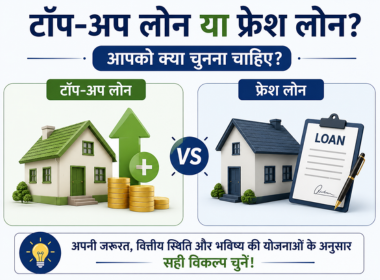
टॉप-अप लोन या फ्रेश लोन? आपको क्या चुनना चाहिए?
Know More
How to Change the EMI Date of Your Personal Loan Easily
Know More
How Personal Finance Helps You Achieve Your Financial Goals
Know More
Should You Take a Gold Loan When Gold Prices Are High?
Know More
NBFC vs Bank Loans: Which Offers Quicker Approval?
Know More
Why Gold Loan Demand Increases During an Economic Crisis
Know MoreFIN SHORTS

Can I renew or extend my gold loan after the tenure ends?
Know More
Can I get a loan against 18-karat or 14-karat gold jewelry?
Know More
Will Gold Become the Best Investment by 2030?
Know More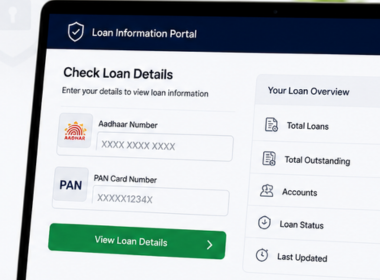
How to Check Loan Details Using Aadhaar & PAN Card?
Know More
How to Calculate Gold Loan Interest Easily?
Know More
Non-Hallmarked Gold in 2026: Is It Safe to Buy?
Know More
Is gold a safe investment during a market crash?
Know More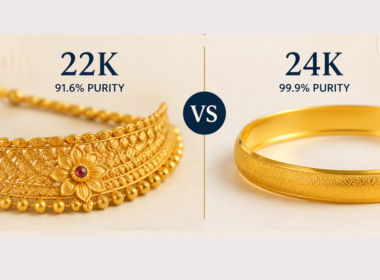
What is the difference between the 22K and 24K gold price today?
Know More
How often does the gold price change in a day?
Know More
What affects gold prices in India daily?
Know More
Is gold a good investment at current prices?
Know More
Should I buy gold today or wait for a price drop?
Know MoreRelated Posts



- South +91 99469 01212
- North 1800 313 1212