
Search Suggestions
- Gold Loan
- Money Transfer
- Mutual Funds


What is Cash Management? Meaning, Objectives & Key Components
Cash is the fuel that keeps the business running. It is an essential part of business survival and requires proper management. Proper cash management ensures there is no dip in the operational efficiency. As a business owner, you must be aware of cash management techniques to ensure cost control, on-time payments, and sufficient working capital. However, it is easier said than done. Your company’s cash flow cycle depends on your ability to foresee fluctuating revenue and cash requirements. It is an act of balance that comes from informed business decisions. Here is all about cash management for businesses:
Table of Content
- What is Cash Management?
- What is the objective of cash management?
- What are the Different Components of Cash Management?
What is Cash Management?
If you are wondering what cash management is, then you must know it includes collecting, analysing, and optimising cash inflow and outflow. It requires proper business strategy to ensure no shortage of cash flow that can halt business operations.
You must have a team of experts who are able to do financial functions, such as forecasting, budgeting, collecting, and maintaining cash flow. It allows you to fulfil business obligations and be at the top of your business.
Effective cash management includes optimising available cash to get more out of the business and investing excess amounts to get better returns. A healthy cash position is what you need to achieve as a small, medium, or large business owner.
The aim should always be to minimise financial risk and maintain business stability. So, your cash management decisions directly affect the organisation’s overall financial health. You must identify cash flow patterns and liquidity needs to make these tough business decisions.
What is the objective of cash management?
The main objective of cash management is to use the funds strategically in a way that benefits short-term and long-term business goals. Important financial practices, such as cash flow forecasting, receivable and payable management, and fund optimisation.
An effective cash management system helps you maintain enough liquidity to fulfil short-term obligations and take strategic financial decisions. However, there is no denial that it is a multifaceted process. This involves maintaining payment timelines, stakeholder management, and efficient fund handling. In addition, these are some of the other objectives of cash management:
- Optimising cash holding to avoid excess or deficiency.
- Reducing the risk of insolvency due to liquidity issues.
- Proper financial planning for business operational needs based on forecasting data.
- Handling unorganised costs due to unexpected expenditure.
Suggested Read: Importance Of Cash Management In Business
What are the Different Components of Cash Management?
Cash Forecasting
You must invest in cash forecasting tools and strategise accordingly to maintain a healthy cash level. It involves estimation of future cash inflow and outflow in the business based on real-time data. It helps gauge the financial health of the business in the long term. Other than this, you can also make important business decisions regarding operations, investment, and growth with cash forecasting. This is a proactive process that can pay off well in ensuring business stability by preparing for future cash uncertainty.
Negotiating Payment Terms
This is yet another component of cash management that makes a huge difference. As a business owner, you should always strive for negotiating favourable payment terms from suppliers and customers. It adds up in the bigger picture in efficient cash flow management. For example, you can negotiate longer payment terms with suppliers that allow you to hold cash longer and use incoming customer payments before settling supplier invoices.
Minimising Unnecessary Expenses
Minimising unnecessary expenses is a crucial part of cash management to get more out of available money. It improves cash flow in the business. You can do so by taking cost-cutting measures, such as inventory management, streamlined operations, marketing cost optimisation, and task automation.
Bank Reconciliation
Bank reconciliation is yet another way to manage cash flow in your business. It gives clarity on available funds that helps in sound decision-making about short-term investments. This also brings transparency and ensures fraud and error detection. You can easily match internal records and bank statements to identify any financial gaps.
Understanding cash management is key to taking charge of your business and building a profitable entity. Muthoot Finance allows you to efficiently manage cash flow with its different small and medium-sized enterprise SME loans. These loans give you flexibility to utilise cash for various tasks, such as vendor payment, streamlined working capital, and liquidity management. Our business loans are designed to give you flexible repayment terms, affordable interest rates, and favourable loan features.
We provide customised SME loans based on your business needs. The completely digital process and wide coverage are the forces behind hassle-free financing by Muthoot Finance. As a business owner, you just need to fulfil our eligibility criteria and have a good CIBIL score to get a fast SME loan.
- Instant Personal Loan
- EMI Calculator
- Document Required
- Track Personal Loan
- Interest Rate
- Procedure and Eligibility
CATEGORIES
OUR SERVICES
-

Credit Score
-

Gold Loan
-

Personal Loan
-

Cibil Score
-

Vehicle Loan
-

Small Business Loan
-

Money Transfer
-

Insurance
-

Mutual Funds
-

SME Loan
-
Corporate Loan
-

NCD
-

PAN Card
-
NPS
-

Custom Offers
-
Digital & Cashless
-

Milligram Rewards
-

Bank Mapping
-

Housing Finance
-

#Big Business Loan
-

#Gold Loan Mela
-
#Kholiye Khushiyon Ki Tijori
-

#Gold Loan At Home
-
#Sunherisoch
RECENT POSTS
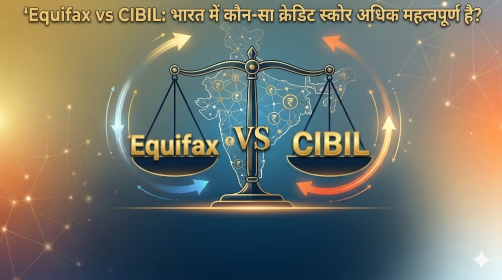
Equifax vs CIBIL: भारत में कौन-सा क्रेडिट स्कोर अधिक महत्वपूर्ण है?
Know More
मनी एक्सचेंज के लिए कौन-कौन से दस्तावेज़ आवश्यक हैं?
Know More
डिजिटल गोल्ड vs फिजिकल गोल्ड: निवेश के लिए कौन-सा विकल्प चुनें?
Know More
प्रतिज्ञा, हाइपोथिकेशन और मॉर्गेज में क्या अंतर है?
Know More
टॉप-अप लोन या फ्रेश लोन? आपको क्या चुनना चाहिए?
Know More
How to Change the EMI Date of Your Personal Loan Easily
Know More
How Personal Finance Helps You Achieve Your Financial Goals
Know More
Should You Take a Gold Loan When Gold Prices Are High?
Know More
NBFC vs Bank Loans: Which Offers Quicker Approval?
Know More
Why Gold Loan Demand Increases During an Economic Crisis
Know MoreFIN SHORTS

Is gold a safe investment during a market crash?
Know More
What is the difference between the 22K and 24K gold price today?
Know More
How often does the gold price change in a day?
Know More
What affects gold prices in India daily?
Know More
Is gold a good investment at current prices?
Know More
Should I buy gold today or wait for a price drop?
Know More
Track My Loan: Simple Steps to Check Personal Loan Status
Know More
No Salary Slip? Still Get Instant Personal Loan Online – Here’s How
Know More
Step-by-Step Guide to Gold Loan Calculation
Know More
Gold Loan Renewal Process Explained – Step-by-Step Guide
Know More
Missed Your Gold Loan EMI? Here's What Happens Next
Know More
How to Apply for Gold Loan in 2026 – Step-by-Step Guide
Know MoreRelated Posts


- South +91 99469 01212
- North 1800 313 1212