
Search Suggestions
- Gold Loan
- Money Transfer
- Mutual Funds


What is Professional Tax? Meaning & Importance
Professional tax is a direct tax levied by state governments in India on individuals and entities earning income through employment, trade, profession, or calling. This tax is separate from central taxes such as income tax and is imposed to support state revenue and public services. While not all states in India levy this tax, where applicable, it becomes an important part of statutory compliance for employees, business owners, freelancers, and professionals alike.
Table of Content
- Definition and Meaning of Professional Tax
- Who Must Pay Professional Tax?
- Professional Tax Registration
- How Professional Tax is Calculated
- Professional Tax Payment: How and When
- Importance of Professional Tax
Understanding what is professional tax and its implications can help taxpayers comply with legal requirements, claim eligible deductions, and avoid penalties for non-compliance. In this article, we explore the definition, payment process, deductions, registration, and broader significance of professional tax in India.
Definition and Meaning of Professional Tax
Professional tax refers to a state-level tax imposed on income earned through any profession, trade, employment, or vocation. The Constitution of India empowers states under Article 276 to levy this tax, with a maximum ceiling of ₹2,500 per year for any individual or business.
Despite its name, professional tax is not exclusive to conventional professionals like doctors or lawyers. It comes in many forms, not only from income earned through wage labour but also from self-employment, business profits and freelance work. The tax rate and applicability vary from state to state, as each has its own slab rates and mode of payment.
Who Must Pay Professional Tax?
In India, several classes of taxpayers fall under the ambit of professional tax payment:
- Salaried individuals: Employers deduct professional tax from monthly salaries based on state-specific slabs and remit it to the respective authority.
- Self-employed persons and freelancers: These individuals must directly register and pay professional tax to the state tax department if their income exceeds the prescribed threshold.
- Businesses and firms: Companies, partnerships, corporations, and other entities engaged in trade or profession must pay professional tax on their business income and register accordingly.
Note that some Indian states, such as Delhi and Uttar Pradesh, do not impose professional tax, so payment obligations depend on your state of residence or operation.
Professional Tax Registration
Eligible taxpayers especially self-employed and business owners are required to do professional tax registration with the respective state department of taxes prior to stepping into professional tax payment. Formalisation allows the authorities to ensure legal compliance and to monitor payments and submissions.
Employers generally receive two certificates: a Professional Tax Registration Certificate for the purpose of making payments towards professional taxes by the firm, and a Professional Tax Enrolment Certificate to deduct tax on behalf of employees and deposit it with the authorities.
Failing to register can attract penalties, including fines and interest charges, which vary by state.
How Professional Tax is Calculated
Professional tax is usually calculated based on income slabs defined by each state government. For salaried individuals, it is often deducted monthly from gross salary by the employer. Examples of slab rates include:
- In Karnataka, salaried individuals earning above ₹25,000 per month pay ₹200 monthly, with an increased amount in specific months.
- In some other states, professionals and self-employed individuals may pay annually based on their total income.
The maximum tax limit prescribed by law is ₹2,500 per year, irrespective of income level.
Suggested Read: 10 Tax Saving Tips for Business Owners in India
Professional Tax Payment: How and When
The process for professional tax payment varies by state, but generally includes the following steps:
- Registration: Eligible professionals and business owners must register with the state tax authority.
- Calculation: Compute the tax based on the income slabs applicable in your state.
- Payment: Tax can often be paid online through the state’s official tax portal or offline at designated centres. Employers handle payment for salaried staff.
- Return Filing: Businesses and individuals must file professional tax returns within the prescribed deadlines to avoid penalties.
Due dates for payment and return filing differ across states and may be monthly, quarterly, or annual.
Suggested Read: Secret Tax Benefits of Personal Loans You Didn't Know About
Importance of Professional Tax
The importance of professional tax goes beyond mere legal obligation. It plays a role in state revenue generation, which funds public infrastructure, education, healthcare, and welfare schemes.
It also ensures that individuals and enterprises contribute fairly to economic development through statutory contributions. For businesses, maintaining compliance enhances credibility and reduces the risk of legal disputes.
For aspiring entrepreneurs or those seeking financial support, such as an SME loan, maintaining accurate professional tax records and a healthy CIBIL score can be beneficial. Loan providers review tax compliance and credit history to assess repayment ability, and regular tax payments reflect financial discipline.
In summary, professional tax is a significant state-level direct tax in India that affects employees, self-employed professionals, businesses, and freelancers. Staying updated with your professional tax payment obligations and deadlines not only keeps you legally compliant but also supports your financial credibility, which is important when dealing with financial instruments like an SME loan or maintaining a strong CIBIL score.
- Instant Personal Loan
- EMI Calculator
- Document Required
- Track Personal Loan
- Interest Rate
- Procedure and Eligibility
CATEGORIES
OUR SERVICES
-

Credit Score
-

Gold Loan
-

Personal Loan
-

Cibil Score
-

Vehicle Loan
-

Small Business Loan
-

Money Transfer
-

Insurance
-

Mutual Funds
-

SME Loan
-
Corporate Loan
-

NCD
-

PAN Card
-
NPS
-

Custom Offers
-
Digital & Cashless
-

Milligram Rewards
-

Bank Mapping
-

Housing Finance
-

#Big Business Loan
-

#Gold Loan Mela
-
#Kholiye Khushiyon Ki Tijori
-

#Gold Loan At Home
-
#Sunherisoch
RECENT POSTS
Equifax vs CIBIL: भारत में कौन-सा क्रेडिट स्कोर अधिक महत्वपूर्ण है?
Know More
मनी एक्सचेंज के लिए कौन-कौन से दस्तावेज़ आवश्यक हैं?
Know More
डिजिटल गोल्ड vs फिजिकल गोल्ड: निवेश के लिए कौन-सा विकल्प चुनें?
Know More
प्रतिज्ञा, हाइपोथिकेशन और मॉर्गेज में क्या अंतर है?
Know More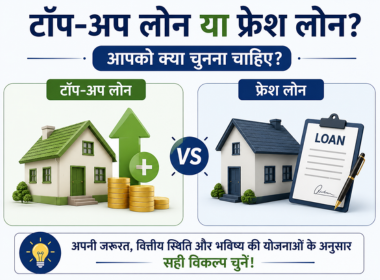
टॉप-अप लोन या फ्रेश लोन? आपको क्या चुनना चाहिए?
Know More
How to Change the EMI Date of Your Personal Loan Easily
Know More
How Personal Finance Helps You Achieve Your Financial Goals
Know More
Should You Take a Gold Loan When Gold Prices Are High?
Know More
NBFC vs Bank Loans: Which Offers Quicker Approval?
Know More
Why Gold Loan Demand Increases During an Economic Crisis
Know MoreFIN SHORTS

Can I renew or extend my gold loan after the tenure ends?
Know More
Can I get a loan against 18-karat or 14-karat gold jewelry?
Know More
Will Gold Become the Best Investment by 2030?
Know More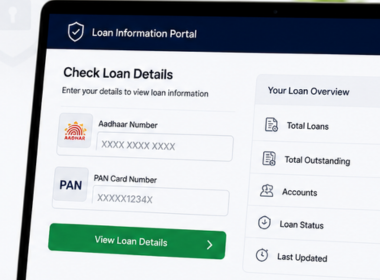
How to Check Loan Details Using Aadhaar & PAN Card?
Know More
How to Calculate Gold Loan Interest Easily?
Know More
Non-Hallmarked Gold in 2026: Is It Safe to Buy?
Know More
Is gold a safe investment during a market crash?
Know More
What is the difference between the 22K and 24K gold price today?
Know More
How often does the gold price change in a day?
Know More
What affects gold prices in India daily?
Know More
Is gold a good investment at current prices?
Know More
Should I buy gold today or wait for a price drop?
Know MoreRelated Posts


- South +91 99469 01212
- North 1800 313 1212