
Search Suggestions
- Gold Loan
- Money Transfer
- Mutual Funds


How Much CIBIL Score Is Required for a Home Loan Approval
Buying a home is a dream for many, but securing a home loan requires fulfilling certain eligibility criteria set by lenders. One of the most critical factors that determine loan approval is your CIBIL score for home loan. This three-digit number, ranging from 300 to 900, reflects your creditworthiness based on past financial behavior. A higher CIBIL score increases the chances of loan approval at favorable interest rates, while a low score may lead to rejections or higher interest rates.
Table of Content
- How Much CIBIL Score Is Required for Home Loan?
- Factors That Influence Your CIBIL Score for a Home Loan
- How to Improve Your CIBIL Score for Home Loan Approval?
- How to Check Your CIBIL Score Before Applying for a Home Loan?
- Conclusion
In this blog, we will discuss what is a good CIBIL score for a home loan, the minimum CIBIL score for home loan approval, and how you can improve your score to enhance your CIBIL score eligibility for home loan. We will also guide you on how to perform a CIBIL score check to stay informed about your credit health before applying for a home loan.
How Much CIBIL Score Is Required for Home Loan?
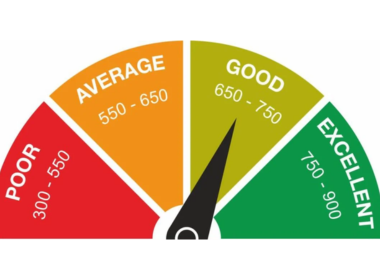
Lenders assess the CIBIL score for home loan approval to determine the applicant’s ability to repay. Below is a general breakdown of CIBIL score requirements: -
- 750 and above – Considered the bestCIBIL score for home loan, offering easy approvals and the lowest interest rates.
- 700 to 749 – A good score with high approval chances but possibly slightly higher interest rates.
- 650 to 699 – Moderate risk; some lenders may approve the loan with stricter conditions.
- 600 to 649 – Low approval chances; lenders may require collateral or a higher down payment.
- Below 600 – Very low chances of approval; improving your score is necessary before applying.
While the minimum CIBIL score for home loan approval is usually 650, some lenders may accept lower scores if the applicant has a strong financial background, high income, or additional collateral.
Suggested Read: What is a CIBIL Score? Why It Matters for Your Financial Health
Can I Get a Loan With a Credit Score of 550?
CIBIL Score vs. Credit Score - Are They the Same?
Factors That Influence Your CIBIL Score for a Home Loan
Your CIBIL score is calculated based on various financial behaviors, including: -
- Repayment History – Late payments, loan defaults, and missed EMIs negatively impact your score.
- Credit Utilization Ratio – Using more than 30% of your credit limit can lower your score.
- Multiple Loan Applications – Frequent loan inquiries can reduce your score, signaling credit dependency.
- Credit Mix – A balanced mix of secured and unsecured loans improves your creditworthiness.
- Loan Tenure and Stability – Long-term financial stability and responsible credit use contribute to a higher score.
How to Improve Your CIBIL Score for Home Loan Approval
If your score is below the ideal range, follow these steps to enhance your CIBIL score eligibility for home loan:
Pay Your EMIs and Credit Card Bills on Time
Your repayment history plays a crucial role in your credit score. Ensure that all your EMIs, credit card bills, and other dues are paid on time to maintain a healthy score.
Reduce Your Credit Utilization
Try to use only 30% or less of your total credit limit. High credit usage signals financial strain and may lower your score.
Avoid Multiple Loan Applications
Applying for multiple loans in a short period can reduce your score. If rejected, wait a few months before reapplying to avoid negative impacts.
Maintain a Healthy Credit Mix
Having a combination of secured (home loan, car loan) and unsecured loans (credit cards, personal loans) positively influences your CIBIL score.
Check Your CIBIL Score Regularly
Performing a CIBIL score check helps you track your progress and identify any discrepancies in your credit report. If you find errors, report them immediately to CIBIL for correction.
Keep Old Credit Accounts Open
A longer credit history contributes to a better credit score. Even if you no longer use a particular credit card, keeping it open with a low balance helps maintain your credit age.
Avoid Defaulting on Loans
Defaulting on any loan significantly damages your credit score and reduces your chances of home loan approval. Always plan your finances to ensure timely repayments.
Suggested Read: Quick Tips for Boosting Your CIBIL Score
How to Check Your CIBIL Score Before Applying for a Home Loan?
Before applying for a home loan, it's essential to do a CIBIL score check to understand your eligibility. Here’s how you can check your score: -
- Visit the official CIBIL website or your bank’s website.
- Enter personal details like PAN card number, date of birth, and email ID.
- Submit the request to generate your CIBIL score and credit report.
- Review the report to check for any errors or discrepancies.
Regularly checking your score helps in taking timely corrective actions and improves your loan approval chances.
Conclusion
The best CIBIL score for a home loan (750+) can secure better interest rates and higher loan amounts. To enhance your CIBIL score eligibility for home loan, adopt healthy credit habits such as timely payments, reducing credit utilization, and maintaining a balanced credit mix.
Performing a CIBIL score check before applying for a home loan will also help you prepare in advance. By following these strategies, you can improve your creditworthiness, increase your chances of home loan approval, and move one step closer to owning your dream home.
CATEGORIES
OUR SERVICES
-

Credit Score
-

Gold Loan
-

Personal Loan
-

Cibil Score
-

Vehicle Loan
-

Small Business Loan
-

Money Transfer
-

Insurance
-

Mutual Funds
-

SME Loan
-
Corporate Loan
-

NCD
-

PAN Card
-
NPS
-

Custom Offers
-
Digital & Cashless
-

Milligram Rewards
-

Bank Mapping
-

Housing Finance
-

#Big Business Loan
-

#Gold Loan Mela
-
#Kholiye Khushiyon Ki Tijori
-

#Gold Loan At Home
-
#Sunherisoch
RECENT POSTS
Equifax vs CIBIL: भारत में कौन-सा क्रेडिट स्कोर अधिक महत्वपूर्ण है?
Know More
मनी एक्सचेंज के लिए कौन-कौन से दस्तावेज़ आवश्यक हैं?
Know More
डिजिटल गोल्ड vs फिजिकल गोल्ड: निवेश के लिए कौन-सा विकल्प चुनें?
Know More
प्रतिज्ञा, हाइपोथिकेशन और मॉर्गेज में क्या अंतर है?
Know More
टॉप-अप लोन या फ्रेश लोन? आपको क्या चुनना चाहिए?
Know More
How to Change the EMI Date of Your Personal Loan Easily
Know More
How Personal Finance Helps You Achieve Your Financial Goals
Know More
Should You Take a Gold Loan When Gold Prices Are High?
Know More
NBFC vs Bank Loans: Which Offers Quicker Approval?
Know More
Why Gold Loan Demand Increases During an Economic Crisis
Know MoreFIN SHORTS

Is gold a safe investment during a market crash?
Know More
What is the difference between the 22K and 24K gold price today?
Know More
How often does the gold price change in a day?
Know More
What affects gold prices in India daily?
Know More
Is gold a good investment at current prices?
Know More
Should I buy gold today or wait for a price drop?
Know More
Track My Loan: Simple Steps to Check Personal Loan Status
Know More
No Salary Slip? Still Get Instant Personal Loan Online – Here’s How
Know More
Step-by-Step Guide to Gold Loan Calculation
Know More
Gold Loan Renewal Process Explained – Step-by-Step Guide
Know More
Missed Your Gold Loan EMI? Here's What Happens Next
Know More
How to Apply for Gold Loan in 2026 – Step-by-Step Guide
Know MoreRelated Posts




- South +91 99469 01212
- North 1800 313 1212