
Search Suggestions
- Gold Loan
- Money Transfer
- Mutual Funds


Stay Updated: Today's Standard Gold Rate
In India, gold has always been considered a valuable asset. Being synonymous with wealth and prosperity, this precious metal is often associated with an individual’s financial standing as well. Apart from this, gold is also among the most popular investment avenues because of the lucrative returns it offers. The simple reason behind this is the constantly increasing market price of gold.
A Closer Look at the Indian Gold Market
In the last few decades, the gold market in India has experienced notable fluctuations. If we talk about the last two decades in particular, the average ROI on gold loans has been recorded at 11.2%, which is higher than other popular investment tools. However, there have been a few lean phases as well, when there was no significant increase in the gold price.
Now it takes us to an important question: will the gold price increase or decrease in the future? Here is the answer:
The Current Scenario
Generally, the gold and equity markets have an inverse relationship. If the equity market is offering low returns, it means that gold prices will automatically increase, and vice versa. In the current situation, gold prices are experiencing an all-time high.
There is no denying the fact that the Indian gold market has been growing rapidly. However, the market prices of gold are influenced by various factors. In response to any changes in these factors, the market rate can also be volatile. Here are a few factors that explain why the gold price is increasing in the present situation:
Falling US Dollar Index
In the global market, gold is denominated in US dollars. As a result, the relationship between Indian gold prices and the USD index is inversely proportional. When the value of the US dollar goes down as compared to the Indian currency, it pushes the gold prices in the Indian market higher.
Expected Interest Rate Cut
Generally, gold has an inverse relationship with interest rates as well. When interest rates are low, the opportunity cost of holding gold decreases, leading to higher prices. Since the Federal Reserve is expected to announce an interest rate cut this year, gold prices may continue to rise.
An Increase in Demand from China
In recent times, gold demand in China has been on the rise, and to meet that, the Chinese central bank has been increasing its gold reserves. As a result, the global demand for gold has also increased, leading to a sharp rise in gold prices.
Suggested Read: TOP REASONS WHY GOLD PRICES ARE INCREASING IN INDIA
Effect on Gold Loans
Any fluctuations in the gold price have a major impact on several things, including gold loans. While availing a gold loan, the value a borrower can get for one gram of gold is known as the per gram rate. This rate depends on things like the purity of the ornaments you’re going to pledge. Along with that, another factor that is taken into consideration to calculate the per-gram rate of gold is the market rate of gold on that particular day.
In short, the per-gram rates for gold loans in India are decided by the market price of the metal. If the market price of gold rises, the loan amount that can be obtained against a certain quantity of gold also increases. Similarly, if the rate of gold decreases, the loan amount that one can avail also increases.
All lending institutions check the present day’s gold rate of a certain purity before deciding the loan amount that can be availed. To roughly calculate your gold loan amount, you can do Google searches like ‘gold loan rate today’ or ‘gold rate today’. Since these market prices can slightly vary at times, it is best to search for ‘today’s standard gold rate’.
At Muthoot Finance, we offer hassle-free and quick gold loans at competitive interest rates. To get an idea of the loan amount you’re eligible for, search for Muthoot Finance gold rate today. Alternatively, you can visit your nearest Muthoot Finance branch to know more.
- Avail gold loan
- Calculate Gold Loan
- Check Gold rate today
- Gold Loan Eligibility
- Interest Rate
- Gold Loan Scheme
- Custom Offers
CATEGORIES
OUR SERVICES
-

Credit Score
-

Gold Loan
-

Personal Loan
-

Cibil Score
-

Vehicle Loan
-

Small Business Loan
-

Money Transfer
-

Insurance
-

Mutual Funds
-

SME Loan
-
Corporate Loan
-

NCD
-

PAN Card
-
NPS
-

Custom Offers
-
Digital & Cashless
-

Milligram Rewards
-

Bank Mapping
-

Housing Finance
-

#Big Business Loan
-

#Gold Loan Mela
-
#Kholiye Khushiyon Ki Tijori
-

#Gold Loan At Home
-
#Sunherisoch
RECENT POSTS

Equifax vs CIBIL: भारत में कौन-सा क्रेडिट स्कोर अधिक महत्वपूर्ण है?
Know More
मनी एक्सचेंज के लिए कौन-कौन से दस्तावेज़ आवश्यक हैं?
Know More
डिजिटल गोल्ड vs फिजिकल गोल्ड: निवेश के लिए कौन-सा विकल्प चुनें?
Know More
प्रतिज्ञा, हाइपोथिकेशन और मॉर्गेज में क्या अंतर है?
Know More
टॉप-अप लोन या फ्रेश लोन? आपको क्या चुनना चाहिए?
Know More
How to Change the EMI Date of Your Personal Loan Easily
Know More
How Personal Finance Helps You Achieve Your Financial Goals
Know More
Should You Take a Gold Loan When Gold Prices Are High?
Know More
NBFC vs Bank Loans: Which Offers Quicker Approval?
Know More
Why Gold Loan Demand Increases During an Economic Crisis
Know MoreFIN SHORTS

Can I renew or extend my gold loan after the tenure ends?
Know More
Can I get a loan against 18-karat or 14-karat gold jewelry?
Know More
Will Gold Become the Best Investment by 2030?
Know More
How to Check Loan Details Using Aadhaar & PAN Card?
Know More
How to Calculate Gold Loan Interest Easily?
Know More
Non-Hallmarked Gold in 2026: Is It Safe to Buy?
Know More
Is gold a safe investment during a market crash?
Know More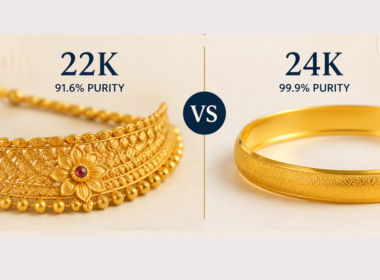
What is the difference between the 22K and 24K gold price today?
Know More
How often does the gold price change in a day?
Know More
What affects gold prices in India daily?
Know More
Is gold a good investment at current prices?
Know More
Should I buy gold today or wait for a price drop?
Know MoreRelated Posts


- South +91 99469 01212
- North 1800 313 1212