
Search Suggestions
- Gold Loan
- Money Transfer
- Mutual Funds


What Is Fine Gold? Meaning, Purity (999), Uses & Price Explained
Gold, gold, gold, this metal is literally everywhere. Reels, news, front-page headlines, and even that one friend who never talked about investments is suddenly tracking prices like it is a sport. And honestly, 2025 really flipped the investment mood. When markets felt unpredictable, gold quietly did what it always does best: sit radiating and stay dependable. It is, after all, the OG Indian investment blanket.
Table of Content
- Understanding Gold Purity and Fine Gold
- Why Purity Matters?
- Price Explained: How Fine Gold Links to Gold Rate
Now, here is where the plot thickens. For investment purposes, not all gold is the same gold. If gold is the headline, fine gold is the fine print that actually matters. So, what is fine gold? Fine gold means gold that is exceptionally pure, with barely any other metals mixed in.
You will spot it stamped as 999.9. And yes, that number is what really counts. The fine gold 999.9 meaning is simple: 99.99% pure gold. In bullion circles, this is the gold standard (pun intended) because it is built for value and long-term holding. With fine gold, purity is the point, and durability is not the priority. That is exactly why it shows up in bars and coins, unlike jewellery, which often needs alloys to handle daily wear.
Note: The algorithm gets very specific when gold trends, which is why searches like how to find fine gold thread spike around festive shopping and Shaadi season, where “gold-like” is not always actually gold.
So, before buying, investing, or pledging, here is what you really need to know.
Understanding Gold Purity and Fine Gold
Gold may look like one shiny squad, but purity is where things really take a turn. Gold purity and gold rate in India are typically expressed in two ways: karats and millesimal fineness. Karat is the everyday shorthand (24K being the “pure” benchmark), while millesimal fineness is the more accurate, numbers-on-the-label system used heavily in bullion.
Here is fine gold categorised by millesimal fineness:
- 999 (99.9%): This is standard fine gold, also called “three nines fine.” It is widely used across bullion products and is a common benchmark for investment-grade gold.
- 9999 (99.99%): This is ultra-pure gold, aka “four nines fine.” You will see this purity used in premium bullion products and well-known coins like the American Buffalo and Canadian Gold Maple Leaf.
- 99999 (99.999%): This is the pinnacle of commercial purity, called “five nines fine.” It is most often reserved for special or commemorative issues like commemorative coins produced by the Royal Canadian Mint.
Fine gold means purity comes first. That is why it dominates bars and coins, where standardised purity matters more than toughness. Jewellery, on the other hand, usually mixes gold with other metals for durability, because everyday wear is not gentle.
Why Purity Matters?
Purity is the difference between “this looks like gold” and “this is investment-grade gold.”
- Purity affects value directly: Higher fineness means more gold content, and that typically translates to better pricing and clearer comparisons between products.
- It simplifies resale math: Bullion products with standardised fineness are easier to evaluate, trade, and price against market benchmarks.
- It explains why bullion differs from jewellery: Gold is naturally soft and fragile. So, bullion can stay ultra-pure because it is meant to be stored, not worn daily. Jewellery often uses alloys for durability and long-term wear.
- Purity directly influences gold-loan valuation: When gold is pledged, assessed purity is a key factor in valuation because it signals how much “real gold” is actually present. (Processes might vary lender to lender, but purity is always the main factor.)
Suggested Read: A Guide on How to Check Gold Purity
Price Explained: How Fine Gold Links to Gold Rate
The daily fine gold pricing is typically anchored to a few basics:
- Spot price and premium: The base value tracks the market (spot), and the extra depends on minting, brand, coin/bar type, packaging, and demand.
- Purity makes comparisons fair: When you are comparing like-for-like fineness (say 9999), it is easier to judge whether a premium is reasonable.
- Fine weight matters: Bullion products often specify the fine gold content (the actual pure gold weight), which is a key pricing anchor.
When the goal is value, purity matters. So, look for clear fineness markings like 999, 9999, or 99999, and choose formats (bars/coins) that are built for long-term holding. And when it comes to making gold work harder than just sitting in a locker, Muthoot Finance brings the expertise to the table. With in-depth experience in gold-based financial solutions, Muthoot helps turn gold into real financial assets through structured, transparent offerings, especially when a gold loan is the smarter move than selling.
So, if gold is part of your 2026 plan, exploring Muthoot Finance’s product range should be your next step because the right guidance can turn a trending topic into a well-executed decision.
- Avail gold loan
- Calculate Gold Loan
- Check Gold rate today
- Gold Loan Eligibility
- Interest Rate
- Gold Loan Scheme
- Custom Offers
CATEGORIES
OUR SERVICES
-

Credit Score
-

Gold Loan
-

Personal Loan
-

Cibil Score
-

Vehicle Loan
-

Small Business Loan
-

Money Transfer
-

Insurance
-

Mutual Funds
-

SME Loan
-
Corporate Loan
-

NCD
-

PAN Card
-
NPS
-

Custom Offers
-
Digital & Cashless
-

Milligram Rewards
-

Bank Mapping
-

Housing Finance
-

#Big Business Loan
-

#Gold Loan Mela
-
#Kholiye Khushiyon Ki Tijori
-

#Gold Loan At Home
-
#Sunherisoch
RECENT POSTS

How to Maximise Personal Loan Amount on Your Current Salary?
Know More
Why Salaried Individuals Are More Eligible for Instant Personal Loans?
Know More
What is A Good CIBIL Range Value in India?
Know More
Can You Get a Personal Loan Without a Salary Slip?
Know More
डिफॉल्ट के बाद अपना CIBIL स्कोर कैसे सुधारें: 7 बेहतरीन तरीके
Know More
सोने में निवेश कैसे करें: अपनी संपत्ति को सुरक्षित रखने के स्मार्ट तरीके
Know More
गोल्ड लोन नीलामी की प्रक्रिया क्या है?
Know More
गोल्ड लोन EMI में डिफॉल्ट हो गया है? अभी ये 5 काम करें!
Know More
कम CIBIL स्कोर पर इंस्टेंट पर्सनल लोन: अप्रूवल कैसे प्राप्त करें
Know More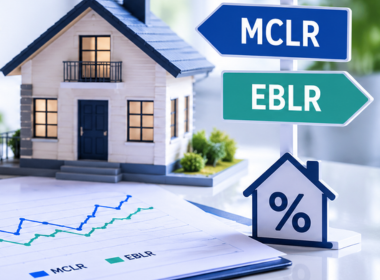
एमसीएलआर बनाम ईबीएलआर - होम लोन पर कौन अधिक बचत करता है?
Know MoreFIN SHORTS

Can I renew or extend my gold loan after the tenure ends?
Know More
Can I get a loan against 18-karat or 14-karat gold jewelry?
Know More
Will Gold Become the Best Investment by 2030?
Know More
How to Check Loan Details Using Aadhaar & PAN Card?
Know More
How to Calculate Gold Loan Interest Easily?
Know More
Non-Hallmarked Gold in 2026: Is It Safe to Buy?
Know More
Is gold a safe investment during a market crash?
Know More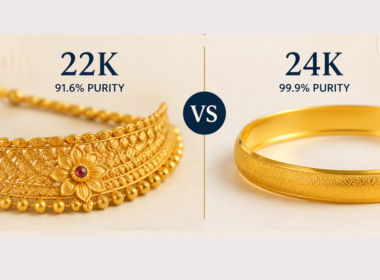
What is the difference between the 22K and 24K gold price today?
Know More
How often does the gold price change in a day?
Know More
What affects gold prices in India daily?
Know More
Is gold a good investment at current prices?
Know More
Should I buy gold today or wait for a price drop?
Know MoreRelated Posts


, Uses & Price Explained&picture=https://www.muthootfinance.com//sites/default/files/2026-02/what-is-fine-gold-meaning-purity-999-uses-and-price-explained-new-1.png)
- South +91 99469 01212
- North 1800 313 1212